
The metaverse in five years. What will happen?
Where will the metaverse have a particular impact? Where can the metaversemetaverse change something?
Who is already active in Metaverse – for what reason?
Who is the metaverse relevant for?
Which business models are/will be possible in the metaverse?
How should a company take action that wants to break through in the metaverse?
Which industries are breaking through the fastest in the metaverse? How far along are they?
What is already available in the metaverse?
What is already doable today in the metaverse?
What is imaginable today in the metaverse?
Which future applications are conceivable in the metaverse?
Which business models in the metaverse are possible to shape the relationship between provider and customer?
How do I kick off as a company in the metaverse (competencies, investments, test projects, strategy, business cases, etc.)? Where do we start, where do we stop?
What should the company part of the metaverse contain?
Which business models are key companies such as Meta or Unity pursuing in the metaverse? What can others learn for their business model development? What does that mean for a company’s partnering strategy in the ecosystem?
Which use case scenarios can the metaverse actuate? Which use cases are available today? Which can be expected in the short and medium term?
Why does the metaverse make sense for companies?
Which industries will generally benefit from the metaverse?
Which industries are breaking through first in the metaverse?
What are the prospects for companies (such as user and company relationships, marketing) in the metaverse?
Which law applies in a globally interconnected virtual world like the metaverse?
Rights to virtual goods/NFTs in the metaverse?
Data protection regulation in a globally interconnected virtual world
Taxes in the metaverse?
Notes
Latest News
- Exploring the Metaverse: Havas’ Impact
- Exploring the Metaverse with Havas
- Exploring Havas Group’s Metaverse Opportunities
- Metaverse Agencies: Navigating the Virtual Frontier
- Unlocking the Potential: Metaverse Creative Agency
More of this topic…

Das Metaversum: Dein digitales Eintauchen Das Metaversum repräsentiert einen sich entwickelnden digitalen Raum, der darauf abzielt, reale und virtuelle Erfahrungen zu verschmelzen. Es ist kein…

The metaverse, a nascent and evolving digital landscape, presents both opportunities and challenges for businesses and individuals alike. As this immersive virtual environment develops, the…
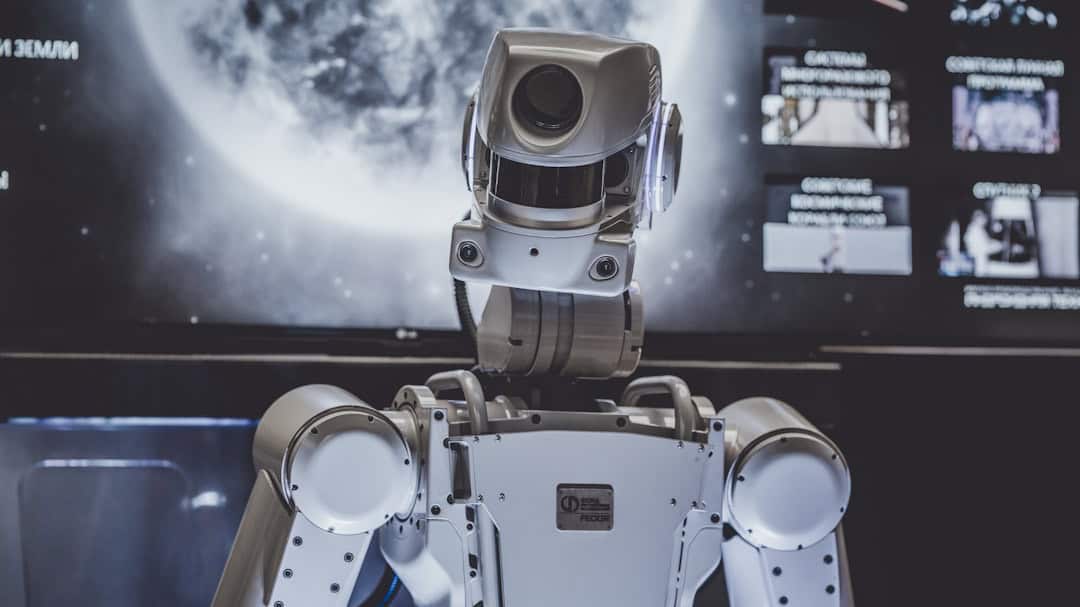
Through the provision of creative solutions to enhance patient care, diagnosis, treatment, and medication development, artificial intelligence (AI) has completely transformed the healthcare sector. artificial…

The metaverse, a persistent, interconnected set of virtual spaces, presents evolving opportunities and challenges for digital agencies. Navigating this nascent landscape requires strategic adaptation and…
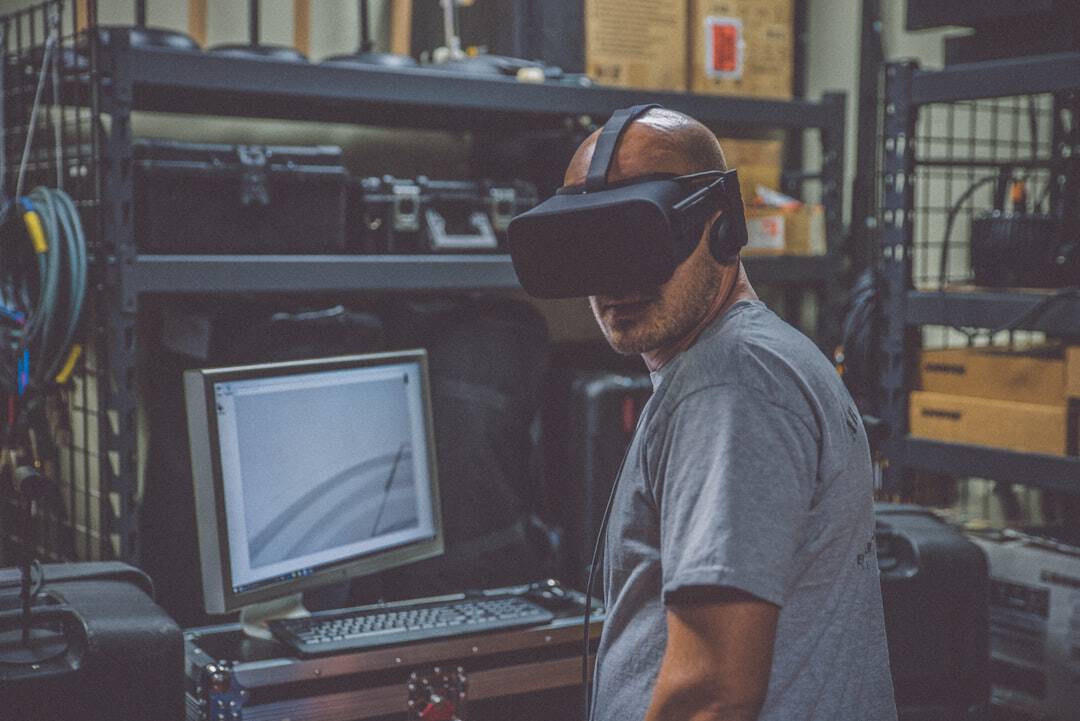
The Metaverse is a concept of a shared virtual space that combines elements of augmented reality and virtual reality. It represents a convergence of digital…

Havas Metaverse is a unit of the Havas Group, a global advertising and communications company. It focuses on developing strategies and solutions for brands seeking…

Willkommen zu einem Überblick über das Konzept “Entdecke die Zukunft mit Metaverse Technologie”, ein Thema, das in den letzten Jahren zunehmend an Bedeutung gewonnen hat.…

Die Erkundung des Metaversums Der Begriff „Metaverse“ hat in den letzten Jahren an Bedeutung gewonnen und deutet auf eine Zukunft hin, in der digitale und…

The concept of the metaverse, a persistent and interconnected digital realm, has gained traction, leading to new commercial opportunities and service sectors. Among these are…

Here’s an article about Metaverse Advertising Agencies, formatted for Wikipedia and written in a neutral, factual style. The metaverse, a persistent, interconnected set of virtual…
Leave a Reply