

The metaverse, once a fringe concept, is solidifying its presence in the digital sphere. It represents a persistent, interconnected set of virtual spaces where users can interact with each other, digital objects, and AI-driven environments. This evolving landscape presents new avenues for creative expression and commercial engagement. A specialized metaverse creative agency is emerging as a crucial partner for businesses and individuals looking to navigate and capitalize on this nascent frontier. These agencies are not simply digital marketing firms; they are architects of virtual experiences, translating abstract concepts into tangible, interactive realities. Their role extends beyond traditional design and advertising. They are tasked with understanding the unique affordances of virtual worlds, developing engaging narratives, and building functional, immersive environments. This requires a multidisciplinary approach, drawing on expertise in 3D modeling, game design, user experience (UX) and user interface (UI) design, blockchain technology, and community management. The potential for these agencies to shape how we interact with digital spaces, conduct business, and experience entertainment is significant.
Defining the Metaverse Creative Agency
At its core, a metaverse creative agency is a firm dedicated to conceptualizing, designing, developing, and deploying content and experiences within various metaverse platforms. This encompasses a broad spectrum of services, from the creation of branded virtual goods and digital fashion to the development of fully immersive virtual events and persistent virtual worlds. Unlike traditional advertising agencies that may dabbled in AR filters or basic 3D renders for campaigns, these agencies are built with the metaverse as their primary focus. They understand the technical constraints and opportunities of different platforms, whether it’s decentralized virtual worlds built on blockchain technology or more centralized, proprietary metaverse environments. Their work involves not just aesthetic considerations but also the underlying functionality and social dynamics that define these virtual spaces. This includes designing for avatar interactions, virtual economies, and the seamless integration of real-world functionalities into digital environments.
Core Service Offerings
Metaverse creative agencies offer a diversified portfolio of services. These can range from strategic consultation, helping clients understand their potential role and presence in the metaverse, to the hands-on creation of assets and environments.
Strategic Metaverse Planning
This involves identifying opportunities for brands and individuals, defining objectives, and outlining a roadmap for metaverse engagement. It goes beyond simply “being there” and focuses on meaningful participation.
3D Asset Creation and Prototyping
Agencies develop high-fidelity 3D models for avatars, virtual objects, and environments. This can include everything from individual pieces of virtual clothing to entire virtual storefronts and entertainment venues.
Immersive Experience Design
This is about crafting engaging and interactive virtual experiences. It involves designing user journeys, interactive elements, and narrative structures that resonate with users within the metaverse.
Virtual Event Production and Management
From concerts and conferences to product launches and fan meet-ups, agencies can design and execute virtual events, ensuring a seamless and immersive experience for attendees.
Community Building and Engagement Strategies
Metaverse spaces thrive on community. Agencies develop strategies to foster organic growth, engage users, and build loyal communities around a brand or project.
For those interested in exploring the innovative landscape of the metaverse, a related article that delves into the importance of community and connection within this digital realm can be found at Entering the Metaverse: Connecting with Others. This piece highlights how creative agencies are leveraging the metaverse to foster collaboration and engagement, making it an essential read for anyone looking to understand the potential of virtual interactions.
The Technical Pillars of Metaverse Creation
Building for the metaverse demands a solid understanding of the underlying technologies that enable these virtual worlds. This is not simply about visual design; it’s about engineering functional and interactive digital realities.
3D Modeling and Real-Time Rendering
The visual fidelity of metaverse experiences is paramount. Agencies employ skilled 3D artists and utilize advanced software to create detailed models and environments that render in real-time, allowing for smooth and immersive interactions.
Polygonal Modeling and Sculpting
Techniques like polygonal modeling and digital sculpting are used to create the intricate shapes and forms that populate virtual worlds.
Texturing and Material Shading
Applying realistic textures and sophisticated material shaders is crucial for giving virtual objects and environments a sense of depth, realism, and tactility.
Optimization for Performance
A key challenge is ensuring that these visually rich environments run smoothly on a variety of devices. Agencies focus on optimizing 3D assets and scenes for real-time rendering without sacrificing visual quality.
Game Engine Integration and Development
Metaverse platforms often leverage game engines to power their interactive elements and physics. Agencies must be proficient in these engines to build functional experiences.
Unity and Unreal Engine Expertise
These are the dominant game engines used for metaverse development due to their robust feature sets and extensive community support.
Scripting and Interactivity
Developing interactive elements, from simple object manipulation to complex game mechanics, requires proficiency in scripting languages like C# (for Unity) or C++ and Blueprints (for Unreal Engine).
Physics Simulation and Animation
Agencies implement realistic physics simulations and character animations to bring virtual worlds to life and make interactions feel natural.
Blockchain Technology and NFTs
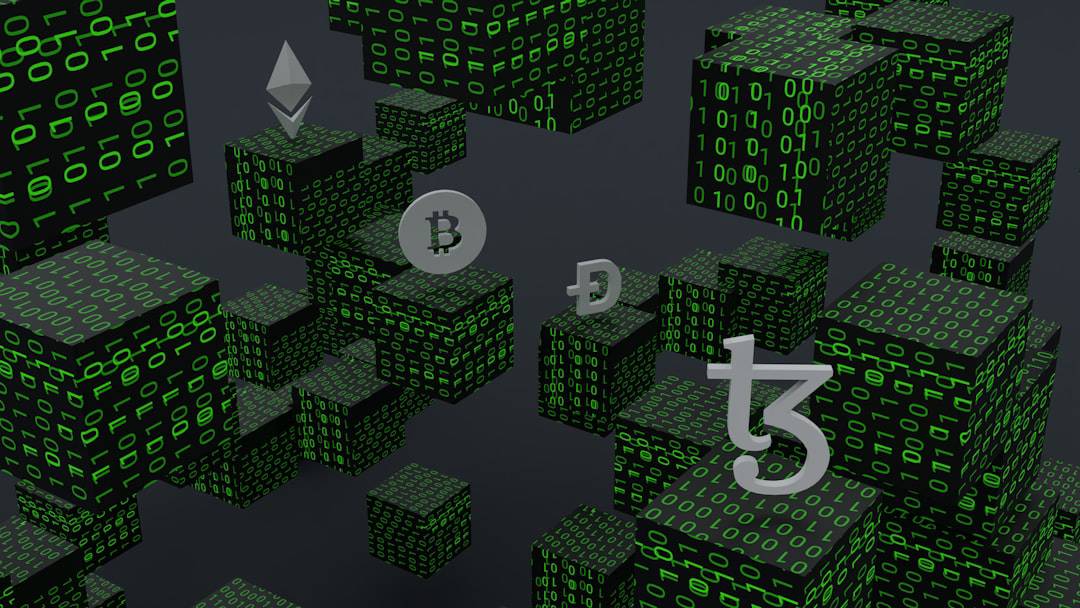
For many metaverse platforms, particularly those that are decentralized, blockchain technology and Non-Fungible Tokens (NFTs) are integral.
Smart Contract Development
Agencies may be involved in developing smart contracts to manage ownership of virtual assets, facilitate transactions, and govern decentralized autonomous organizations (DAOs) within the metaverse.
NFT Integration and Utility
Understanding how to create and integrate NFTs for virtual goods, land ownership, and other digital assets is a key service. This includes defining the utility and value proposition of these NFTs.
Decentralized Identity and Wallet Integration
For some platforms, integrating with decentralized identity solutions and cryptocurrency wallets is necessary for user authentication and transaction management.
The metaverse is not a monolithic entity. It is a collection of diverse platforms, each with its own technical specifications, community culture, and economic models. A competent metaverse creative agency must possess the knowledge and adaptability to operate across this fragmented landscape. This involves understanding the nuances of each platform, from the user base of a social virtual world to the underlying technology of a blockchain-based metaverse. The choice of platform significantly impacts the design and development process, as well as the potential for user engagement and commercial success.
Platform Specialization and Interoperability
Agencies often develop expertise in specific metaverse platforms, understanding their strengths and limitations. The ongoing challenge of interoperability between different metaverses is also a consideration, as it influences the long-term strategy for content and asset deployment.
Understanding Platform Architectures
Each metaverse has a unique underlying architecture, influencing how assets are created, rendered, and interacted with.
User Base Demographics and Culture
Different platforms attract distinct user demographics and foster unique community cultures, which agencies must consider when designing experiences and content.
Emerging Platform Landscape
The metaverse ecosystem is constantly evolving with new platforms and technologies emerging. Agencies must stay abreast of these developments to remain competitive.
Decentralized vs. Centralized Metaverse Development
The distinction between decentralized metaverses (often powered by blockchain) and more centralized, proprietary virtual worlds is crucial. This distinction impacts ownership, governance, and the economic models at play.
Blockchain-Powered Metaverses (e.g., Decentraland, The Sandbox)
These platforms emphasize user ownership and decentralized governance. Development often involves smart contracts and NFTs.
Centralized Virtual Worlds (e.g., Roblox, Fortnite’s Creative Mode)
These platforms are owned and operated by specific companies, offering a more controlled development environment and often a different approach to monetization.
Hybrid Approaches and Future Trends
The lines between decentralized and centralized models are blurring, with some platforms exploring hybrid approaches to leverage the benefits of both.
The Creative Process: From Concept to Immersive Reality
The journey of creating for the metaverse is an iterative process that blends creative vision with technical execution. It begins with understanding the client’s goals and translating them into a compelling virtual experience. This requires a deep dive into the target audience, the chosen platform, and the desired outcomes, whether it’s brand awareness, community engagement, or direct sales of virtual goods.
Concept Development and Ideation
This initial phase involves brainstorming and conceptualizing the core idea for the metaverse experience, aligning it with client objectives and the unique possibilities of the virtual environment.
Client Briefing and Goal Alignment
Thoroughly understanding the client’s vision, target audience, and measurable objectives is the foundational step.
Brainstorming and Mood Boarding
Developing creative concepts, exploring visual styles, and creating mood boards to establish an aesthetic direction.
Storyboarding and Narrative Design
Crafting compelling narratives and user journeys that guide the audience through the virtual experience.
Design and Prototyping
Once concepts are established, the focus shifts to bringing them to life through design and iterative prototyping. This involves creating visual assets, defining user interactions, and testing the flow of the experience.
User Experience (UX) and User Interface (UI) Design
Designing intuitive navigation, clear interfaces, and engaging user flows within the virtual environment.
Environmental Design and Architecture
Creating immersive and visually appealing virtual spaces that align with the brand or project’s identity.
Interactive Element Design
Defining and designing the functionality of interactive objects, game mechanics, and user engagements.
Development and Implementation
This is where the designs are translated into functional code and integrated into the chosen metaverse platform. Rigorous testing and optimization are crucial at this stage.
3D Model Implementation and Optimization
Integrating high-fidelity 3D assets into the platform while ensuring optimal performance.
Scripting and Logic Implementation
Writing code to enable interactivity, dynamic elements, and complex functionalities within the experience.
Platform-Specific Integration
Ensuring seamless integration with the technical requirements and APIs of the target metaverse platform.
As the concept of the metaverse continues to evolve, creative agencies are finding innovative ways to engage audiences in immersive environments. A recent article discusses the impact of online communities on this burgeoning landscape, highlighting how collaboration and creativity thrive in virtual spaces. For those interested in exploring this topic further, you can read more about it in the article on online communities. This resource provides valuable insights into how these digital interactions shape the future of creative endeavors in the metaverse.
The Future Trajectory of Metaverse Creative Agencies
The role of metaverse creative agencies is not static. As the metaverse evolves, so too will the services and expertise these agencies offer. The increasing demand for immersive and interactive digital experiences suggests a sustained growth trajectory. The ability to adapt to new technologies, understand emerging user behaviors, and innovate within evolving virtual landscapes will be paramount for their continued success.
Evolving Technologies and Capabilities
Anticipating and integrating new technologies, such as advanced AI, haptic feedback, and more sophisticated rendering techniques, will be key to offering cutting-edge experiences.
AI-Powered Content Generation and NPCs
The integration of AI for creating dynamic content, intelligent non-player characters (NPCs), and personalized user experiences.
Extended Reality (XR) Integration
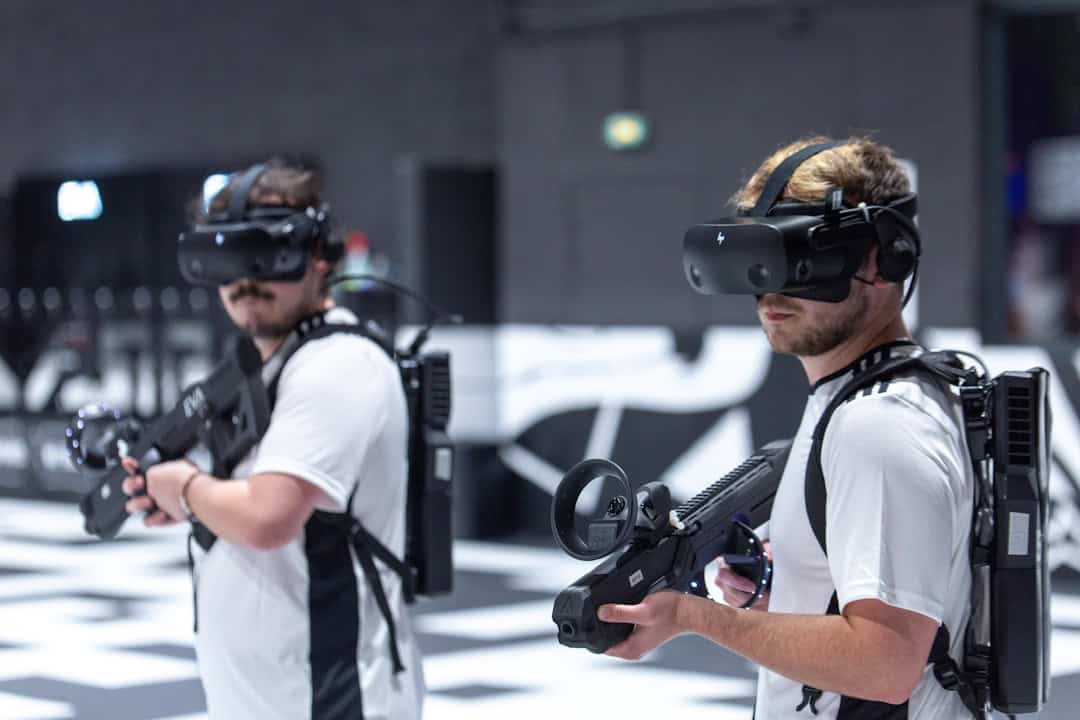
Leveraging AR and VR technologies to create more profound and seamless transitions between the physical and virtual worlds.
Advanced Interoperability Solutions
Developing strategies and technologies that enable greater interoperability between different metaverse platforms, allowing for seamless movement of assets and identities.
Strategic Partnerships and Market Expansion
Metaverse creative agencies will likely forge deeper partnerships with brands, technology providers, and platform developers to expand their reach and offerings.
Brand Collaborations and IP Integration
Working closely with brands to translate their intellectual property and marketing objectives into engaging metaverse experiences.
Partnerships with Metaverse Platforms
Collaborating with platform creators to understand roadmaps, influence feature development, and secure early access to new tools and capabilities.
Global Market Reach
Expanding services and expertise to cater to a global audience, understanding cultural nuances and regional market demands within the metaverse.
The Human Element: Creativity and Cultural Fluency
Despite the technological underpinnings, the success of metaverse creative agencies will ultimately hinge on their ability to blend technical prowess with profound creativity and cultural understanding.
Fostering Authentic Digital Identities and Experiences
Moving beyond superficial representations to create virtual experiences that resonate with users on a deeper, more authentic level.
Understanding and Shaping Digital Culture
Contributing to the formation and evolution of digital culture through meaningful and innovative creations within the metaverse.
Ethical Considerations and Responsible Design
Prioritizing ethical design principles, data privacy, and user well-being in the development of metaverse experiences.
The metaverse represents a significant shift in how we interact with digital information and each other. Metaverse creative agencies are at the forefront of this transformation, acting as the bridges between abstract ideas and tangible virtual realities. Their continued success will depend on their agility, their technical acumen, and their capacity to harness the imaginative potential of this burgeoning digital frontier. They are not just building websites or running ad campaigns; they are shaping the architecture of future digital existence.








Leave a Reply