

The integration of robotics into the field of surgery marks a significant milestone in medical technology, revolutionizing how surgical procedures are performed. Robotics in surgery encompasses a range of advanced technologies that enhance the capabilities of surgeons, allowing for greater precision, control, and efficiency during operations. The advent of robotic surgical systems has transformed traditional surgical practices, enabling minimally invasive techniques that reduce patient recovery times and improve overall outcomes.
As we delve deeper into this fascinating intersection of technology and medicine, it becomes evident that robotics is not merely an enhancement but a fundamental shift in surgical paradigms. Robotic surgery systems, such as the da Vinci Surgical System, have gained prominence in various surgical specialties, including urology, gynecology, and cardiothoracic surgery. These systems consist of robotic arms controlled by a surgeon from a console, providing a three-dimensional view of the surgical site and allowing for intricate maneuvers that would be challenging with conventional methods.
The precision and dexterity offered by robotic systems have opened new avenues for complex procedures, making them safer and more effective. As we explore the advantages and challenges of robotic surgery, it is essential to understand how these innovations are shaping the future of healthcare.
Key Takeaways
- Robotics in surgery has revolutionized the way operations are performed, offering numerous benefits to both patients and surgeons.
- Minimally invasive operations using robotic assistance result in less pain, shorter hospital stays, and faster recovery times for patients.
- Precision microsurgery with robotic assistance allows for greater accuracy and control, leading to improved surgical outcomes.
- Telemedicine enables surgeons to provide expert care to patients in remote locations, expanding access to quality healthcare.
- While robotics in surgery has its advantages, there are challenges and limitations such as cost, training, and technical issues that need to be addressed for wider adoption.
Advantages of Minimally Invasive Operations
Minimally invasive surgery (MIS) has emerged as a cornerstone of modern surgical practice, offering numerous benefits over traditional open surgery. One of the most significant advantages is the reduction in trauma to the body. With smaller incisions, patients experience less pain and a lower risk of complications such as infections and excessive bleeding.
This approach not only enhances patient comfort but also leads to shorter hospital stays and quicker recovery times, allowing individuals to return to their daily lives sooner. Moreover, minimally invasive operations often result in less scarring compared to open procedures. The cosmetic benefits are particularly appealing to patients who are concerned about their appearance post-surgery.
Additionally, the precision afforded by robotic assistance in MIS allows surgeons to navigate complex anatomical structures with greater accuracy, minimizing damage to surrounding tissues. This level of precision is especially crucial in delicate surgeries, such as those involving the heart or brain, where even minor errors can have significant consequences.
Precision Microsurgery with Robotic Assistance
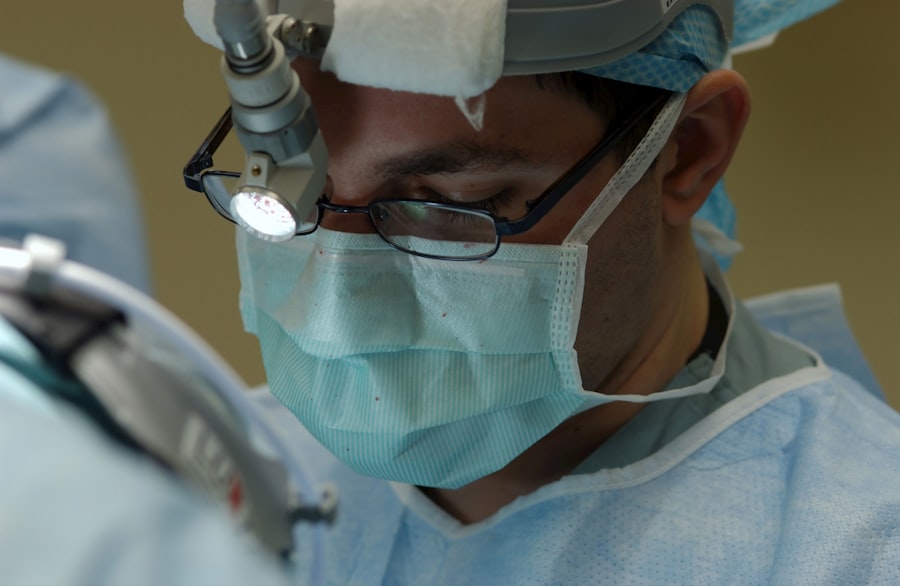
Precision microsurgery is an area where robotic assistance has made remarkable strides, enabling surgeons to perform intricate procedures with unparalleled accuracy. This specialized field often involves delicate operations on small structures, such as blood vessels and nerves, where traditional surgical techniques may fall short. Robotic systems equipped with high-definition cameras and advanced instrumentation allow surgeons to visualize and manipulate these tiny structures with enhanced clarity and control.
The ability to scale movements is another critical advantage of robotic-assisted microsurgery. Surgeons can execute minute movements with precision while minimizing tremors that can occur during manual operations. This capability is particularly beneficial in procedures like vascular anastomosis or nerve repair, where precision is paramount for successful outcomes.
Furthermore, robotic systems can provide real-time feedback and assistance, allowing surgeons to focus on the intricacies of the procedure without being hindered by physical limitations. As technology continues to evolve, the potential for robotic assistance in microsurgery will likely expand, paving the way for even more complex and successful interventions.
Telemedicine for Remote Locations
Telemedicine has emerged as a vital tool in expanding access to healthcare services, particularly in remote or underserved areas. The integration of robotics into telemedicine takes this concept a step further by enabling surgeons to perform procedures from a distance. With the aid of robotic surgical systems connected to high-speed internet networks, specialists can operate on patients located hundreds or even thousands of miles away.
This capability is particularly transformative for regions lacking access to experienced surgeons or advanced medical facilities. The implications of tele-robotic surgery are profound. Patients in remote locations can receive high-quality surgical care without the need for extensive travel, which can be both costly and time-consuming.
Additionally, this approach allows for timely interventions in critical situations where every moment counts. For instance, a surgeon could remotely assist in an emergency procedure while being located in a different city or country. As telemedicine continues to evolve alongside robotic technology, we can expect to see an increase in collaborative efforts between healthcare providers across geographical boundaries, ultimately improving patient outcomes and accessibility.
The Impact of Robotics on Surgical Outcomes
The impact of robotics on surgical outcomes has been a subject of extensive research and analysis. Numerous studies have demonstrated that robotic-assisted surgeries often result in lower complication rates compared to traditional methods. Patients undergoing robotic procedures typically experience reduced postoperative pain and shorter recovery times, leading to higher satisfaction rates overall.
The precision offered by robotic systems minimizes the risk of damage to surrounding tissues and organs, which is crucial for ensuring successful outcomes. Moreover, the enhanced visualization provided by robotic cameras allows surgeons to identify anatomical structures more clearly than ever before. This improved clarity can lead to better decision-making during surgery and ultimately contribute to more favorable results.
As healthcare providers continue to adopt robotic technologies, ongoing research will be essential in quantifying their impact on various surgical specialties and refining techniques to maximize patient benefits.
Challenges and Limitations of Robotic Surgery
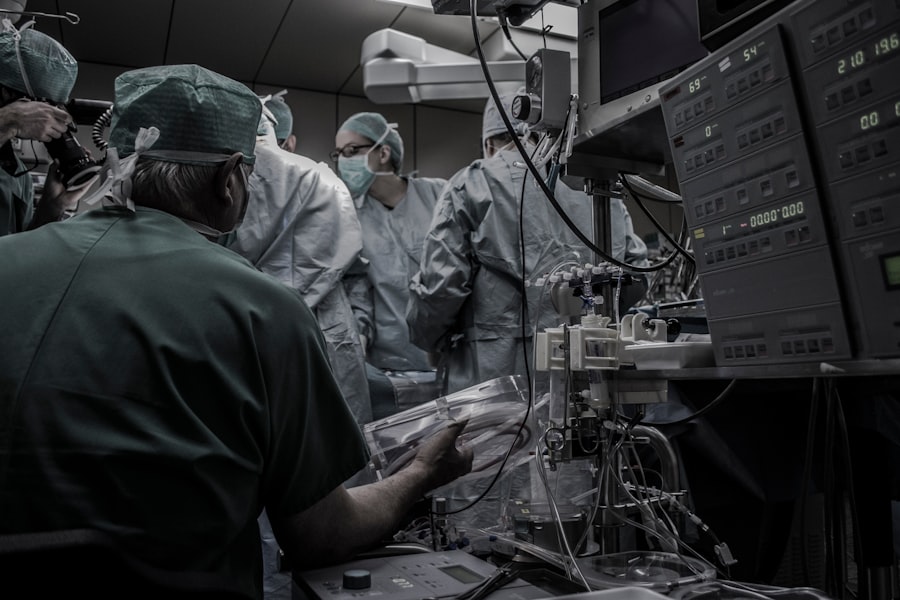
Despite the numerous advantages associated with robotic surgery, several challenges and limitations persist that warrant consideration. One significant barrier is the high cost associated with acquiring and maintaining robotic surgical systems. The initial investment can be substantial, making it difficult for some healthcare facilities—especially smaller hospitals or clinics—to justify the expense.
Additionally, ongoing maintenance costs and the need for specialized training for surgical teams can further strain budgets. Another challenge lies in the learning curve associated with robotic surgery. While these systems offer enhanced capabilities, they also require surgeons to develop new skills and adapt their techniques accordingly.
Training programs are essential for ensuring that surgical teams are proficient in using robotic systems effectively; however, access to such training may not be readily available in all regions. Furthermore, there may be resistance from some surgeons who are accustomed to traditional methods and may be hesitant to embrace new technologies. Addressing these challenges will be crucial for maximizing the potential of robotic surgery in the future.
Future Developments in Robotic Surgery
The future of robotic surgery holds immense promise as technology continues to advance at an unprecedented pace. One area poised for growth is the development of more sophisticated artificial intelligence (AI) algorithms that can assist surgeons during procedures. These AI-driven systems could analyze real-time data from surgeries, providing insights that enhance decision-making and improve outcomes.
For instance, AI could help identify potential complications before they arise or suggest optimal surgical approaches based on patient-specific factors. Additionally, advancements in miniaturization and materials science may lead to the creation of smaller and more versatile robotic instruments capable of performing complex tasks within confined spaces. This evolution could further expand the applications of robotic surgery into areas previously deemed too challenging or risky for traditional methods.
As researchers continue to explore innovative solutions—such as soft robotics or bio-inspired designs—the possibilities for enhancing surgical capabilities are virtually limitless.
The Role of Robotics in Shaping the Future of Surgery
In conclusion, robotics is undeniably shaping the future of surgery by enhancing precision, improving patient outcomes, and expanding access to care through innovative technologies like telemedicine. The advantages of minimally invasive operations combined with the capabilities offered by robotic assistance have transformed how surgeries are performed across various specialties. While challenges remain—such as cost barriers and training requirements—the ongoing evolution of robotic systems promises to address these issues over time.
As we look ahead, it is clear that robotics will play an increasingly integral role in healthcare delivery. The potential for AI integration and advancements in technology will continue to push the boundaries of what is possible in surgical practice. Ultimately, the collaboration between human expertise and robotic assistance will pave the way for safer, more effective surgeries that benefit patients worldwide.
The journey toward a future where robotics is commonplace in operating rooms is well underway, heralding a new era in surgical innovation that holds great promise for both patients and healthcare providers alike.
In a related article on the Metaversum website, the concept of integrating physical and virtual spaces is explored in depth. The article discusses how the metaverse can bridge the gap between the real world and digital realms, offering new possibilities for communication, collaboration, and exploration. To read more about this fascinating topic, check out the article here.
FAQs
What is the role of robotics in surgery?
Robotics in surgery plays a crucial role in performing minimally invasive operations, precision microsurgery, and telemedicine for remote locations. It allows for greater precision, flexibility, and control during surgical procedures.
What are the benefits of using robotics in surgery?
The use of robotics in surgery offers several benefits, including smaller incisions, reduced blood loss, faster recovery times, and decreased risk of complications. It also enables surgeons to perform complex procedures with greater accuracy and dexterity.
How does robotics enable minimally invasive surgery?
Robotic systems allow surgeons to perform minimally invasive surgery by using small instruments and a camera to access and operate on the surgical site through tiny incisions. This approach results in less trauma to the body, reduced scarring, and quicker healing for patients.
What is precision microsurgery, and how does robotics contribute to it?
Precision microsurgery involves intricate procedures performed on small structures within the body, such as blood vessels and nerves. Robotics enhances precision microsurgery by providing magnified 3D visualization and precise instrument control, allowing surgeons to work at a microscopic level with greater accuracy.
How does robotics facilitate telemedicine for remote locations?
In remote locations where access to specialized surgical care is limited, robotics enables telemedicine by allowing surgeons to remotely control robotic systems to perform surgeries. This technology expands access to high-quality surgical care for patients in underserved areas, improving healthcare outcomes.










Leave a Reply