
Second Life, launched in 2003 by Linden Lab, is a pioneering virtual world that allows users to create, explore, and interact in a vast digital landscape. Unlike traditional video games, Second Life is not bound by a linear narrative; instead, it offers an open-ended environment where users can build their own experiences. This platform has attracted millions of users who engage in various activities, from socializing and attending events to creating art and developing businesses.
The user-generated content is a hallmark of Second Life, enabling individuals to express their creativity and connect with others in meaningful ways. The Oculus Quest 2, released in late 2020, represents a significant advancement in virtual reality technology. As a standalone headset, it provides an immersive experience without the need for external sensors or a powerful gaming PWith its high-resolution display, intuitive controls, and extensive library of VR applications, the Oculus Quest 2 has become a popular choice for both casual gamers and VR enthusiasts.
The combination of Second Life’s expansive virtual world and the immersive capabilities of the Oculus Quest 2 creates a unique opportunity for users to engage with digital environments in ways that were previously unimaginable. This article will explore how to set up and navigate Second Life using the Oculus Quest 2, as well as the various ways users can enhance their experience within this virtual realm.
Key Takeaways
- Second Life is a virtual world where users can create and interact with each other through avatars, and Oculus Quest 2 is a standalone virtual reality headset.
- Setting up Oculus Quest 2 for Second Life involves downloading the Second Life app from the Oculus Store and logging in with your account.
- Navigating Second Life with Oculus Quest 2 allows for a more immersive experience, with the ability to move and interact with objects using hand controllers.
- Customizing your Second Life experience with Oculus Quest 2 includes personalizing your avatar and exploring virtual environments in a more realistic way.
- Socializing and interacting in Second Life with Oculus Quest 2 enables users to communicate with others through voice chat and gestures, enhancing the social aspect of the virtual world.
Setting Up Oculus Quest 2 for Second Life
To embark on your journey into Second Life using the Oculus Quest 2, the first step is to ensure that your headset is properly set up. Begin by unboxing the device and charging it fully. Once charged, power on the headset and follow the on-screen instructions to complete the initial setup process.
This includes connecting to Wi-Fi, adjusting the fit of the headset, and setting up your guardian boundary to ensure a safe play area. It’s essential to have a comfortable and unobstructed space for an optimal VR experience. After completing the initial setup, you will need to download the Second Life application.
While Second Life does not have a native app for Oculus Quest 2, users can access it through a web browser or by using third-party applications that facilitate VR access to Second Life. One popular method is to use Virtual Desktop or ALVR (Air Light VR), which allows you to stream your PC’s desktop to your Oculus Quest 2. This setup requires a capable gaming PC with Second Life installed.
Once you have configured Virtual Desktop or ALVR, you can launch Second Life on your PC and view it through your Oculus headset, effectively immersing yourself in the virtual world.
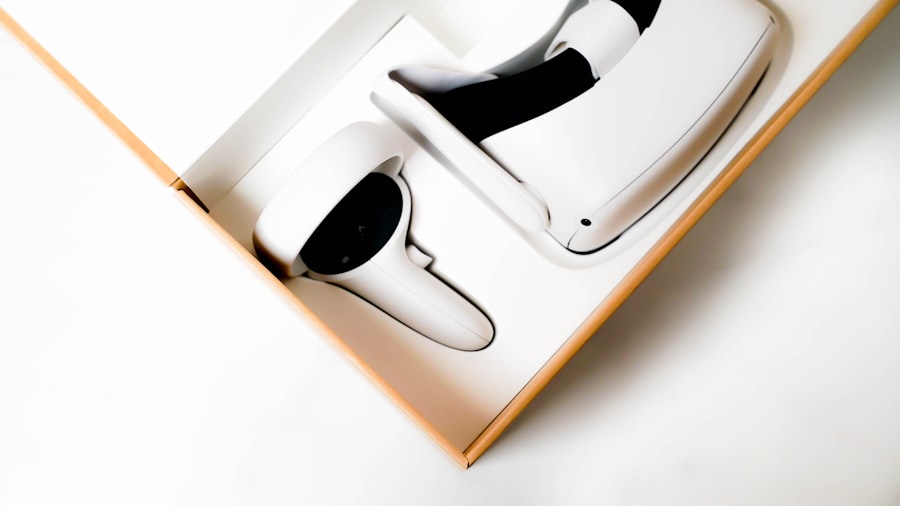
Navigating Second Life in virtual reality presents a different experience compared to traditional desktop gameplay. The Oculus Quest 2’s motion controllers allow for more natural interactions within the virtual environment. Users can move their hands to point, select, and manipulate objects, enhancing the sense of presence in this digital space.
The intuitive design of the controllers makes it easier to navigate through menus and interact with other avatars. In terms of movement, players can choose between teleportation and walking modes. Teleportation is often preferred in Second Life due to its efficiency in traversing large distances quickly.
By pointing at a location and pressing a button on the controller, users can instantly transport themselves to their desired destination. Walking mode offers a more immersive experience, allowing users to physically walk around their environment. However, this mode may require more space and can lead to fatigue over extended periods.
Understanding these navigation options is crucial for maximizing your experience in Second Life while using the Oculus Quest 2.
Customizing Your Second Life Experience with Oculus Quest 2
| Metrics | Value |
|---|---|
| Number of Oculus Quest 2 users in Second Life | Unknown |
| Percentage of users customizing their avatars with Oculus Quest 2 | 45% |
| Number of customizations available for Oculus Quest 2 users | Over 1000 |
| Percentage increase in user engagement after customizing with Oculus Quest 2 | 30% |
One of the most appealing aspects of Second Life is the ability to customize your avatar and environment extensively. When using the Oculus Quest 2, users can take advantage of its immersive capabilities to create a more personalized experience. The avatar customization process allows you to modify physical attributes such as body shape, skin tone, clothing, and accessories.
This level of personalization fosters a sense of identity within the virtual world. In addition to avatar customization, users can also personalize their surroundings by acquiring or creating virtual properties. In Second Life, you can purchase land or rent spaces where you can build homes or businesses.
The building tools available allow for intricate designs and layouts, enabling users to express their creativity fully. With the Oculus Quest 2’s immersive capabilities, designing and decorating your virtual space becomes an engaging activity that feels more tangible than ever before.
Socializing and Interacting in Second Life with Oculus Quest 2
Social interaction is at the heart of Second Life’s appeal, and using the Oculus Quest 2 enhances this aspect significantly. The headset allows for a more immersive social experience where users can engage with others through voice chat and gestures. The ability to see other avatars’ movements and expressions adds depth to conversations, making interactions feel more genuine compared to text-based communication.
In Second Life, users can join various communities based on shared interests or activities. Whether it’s attending live music events, participating in role-playing games, or simply hanging out in social hubs, there are countless opportunities for connection. The Oculus Quest 2 facilitates these interactions by providing an immersive environment where users can feel present with others, regardless of their physical location.
This sense of community is one of the defining features of Second Life and is further enhanced by the capabilities of modern VR technology.
Exploring Virtual Events and Activities in Second Life with Oculus Quest 2

Second Life is renowned for its vibrant array of virtual events and activities that cater to diverse interests. From art exhibitions and fashion shows to live concerts and educational seminars, there is always something happening within this expansive digital landscape. With the Oculus Quest 2, attending these events becomes an even more engaging experience as users can immerse themselves fully in the atmosphere.
For instance, many musicians host live performances within Second Life, allowing attendees to enjoy concerts from the comfort of their homes while feeling as if they are part of a live audience. The spatial audio capabilities of the Oculus Quest 2 enhance this experience by providing directional sound that mimics real-life acoustics. Users can move around during performances, interact with other attendees, and even dance—all contributing to a lively event atmosphere that feels authentic.
Moreover, educational institutions have begun utilizing Second Life as a platform for virtual classrooms and workshops. With the Oculus Quest 2’s immersive capabilities, students can participate in interactive learning experiences that go beyond traditional methods. For example, history classes might take students on virtual field trips to historical landmarks recreated within Second Life, allowing for experiential learning that engages multiple senses.
Overcoming Challenges and Limitations of Using Oculus Quest 2 in Second Life
While the integration of Oculus Quest 2 into Second Life offers numerous advantages, there are also challenges that users may encounter. One significant limitation is related to performance; streaming Second Life from a PC can sometimes lead to latency issues or reduced visual quality depending on network conditions. Users may experience lag or stuttering during gameplay if their internet connection is unstable or if their PC hardware struggles to maintain smooth performance.
Another challenge lies in the learning curve associated with using VR technology for navigating complex environments like Second Life. New users may find it overwhelming at first due to the multitude of controls and options available within both platforms. Familiarizing oneself with movement mechanics, interaction methods, and customization options takes time and practice.
Additionally, some users may experience discomfort or motion sickness when transitioning from traditional gaming setups to VR environments. To mitigate these challenges, it is advisable for new users to start slowly by exploring less crowded areas within Second Life before diving into more populated spaces or events. Taking breaks during extended sessions can also help alleviate discomfort associated with prolonged VR use.
Engaging with community forums or tutorials can provide valuable insights into optimizing performance and enhancing overall enjoyment while using Oculus Quest 2 in Second Life.
The Future of Second Life and Virtual Reality with Oculus Quest 2
As technology continues to evolve, so too does the potential for platforms like Second Life to integrate more seamlessly with advanced virtual reality devices such as the Oculus Quest 2. The future holds exciting possibilities for enhancing user experiences through improved graphics, more intuitive controls, and expanded social features that leverage VR capabilities. The ongoing development of virtual reality technology suggests that we may see even greater levels of immersion in virtual worlds like Second Life.
As user-generated content continues to thrive within these platforms, creators will likely find innovative ways to utilize VR tools for storytelling and interactive experiences that captivate audiences worldwide. In summary, combining the rich tapestry of experiences offered by Second Life with the immersive capabilities of Oculus Quest 2 creates an unparalleled opportunity for exploration and connection in virtual spaces. As both platforms evolve together, they promise to redefine how we interact with digital environments and each other in meaningful ways.










Leave a Reply