

The metaverse, a persistent, interconnected set of virtual spaces, presents a novel frontier for digital marketing. Unlike the two-dimensional web where users browse content, the metaverse offers immersive, three-dimensional environments where users can interact with brands and products in more experiential ways. This shift necessitates an evolution in marketing strategies, moving beyond static advertisements to dynamic, engaging experiences. This article will explore the emerging landscape of digital marketing within the metaverse, examining its unique characteristics, the strategies being employed, the technologies enabling it, and the challenges and opportunities it presents.
The metaverse is not a singular entity but rather a constellation of virtual environments. These can range from open-world platforms like Decentraland and The Sandbox to more specialized virtual reality (VR) social spaces and augmented reality (AR) overlays on the physical world. Each of these environments possesses its own economic systems, social norms, and user demographics, influencing how brands can effectively engage. Think of the metaverse not as a single advertising billboard, but as a city with distinct neighborhoods, each requiring a tailored approach.
Defining the Metaverse
At its core, the metaverse is characterized by several key elements: persistence, meaning it continues to exist even when users are offline; interoperability, the ability for digital assets and identities to move between different virtual worlds; synchronicity, where events occur in real-time for all users; and social interaction, facilitating connection and community. These fundamental aspects shape the potential for marketing.
Persistence and its Implications
The enduring nature of the metaverse means that marketing efforts can have a lasting impact. A virtual store, for instance, remains open 24/7, offering continuous brand presence. This persistent visibility contrasts with transient digital ads that appear and disappear.
Interoperability and Brand Reach
True interoperability, though still developing, promises a future where digital assets like branded NFTs or virtual merchandise can be used across multiple metaverse platforms. This could significantly widen a brand’s reach, allowing a single digital asset to gain traction in various virtual economies.
Synchronicity and Real-Time Engagement
The real-time nature of the metaverse allows for live events, product launches, and customer service interactions as they happen. This synchronicity offers opportunities for immediate feedback and dynamic campaign adjustments.
User Behavior and Expectations in the Metaverse
Users in the metaverse are not passive consumers; they are active participants. They expect to be entertained, to socialize, and to explore. This active engagement means that marketing must provide value and be integrated organically into the user experience, rather than being an intrusive interruption. Consider a user in the metaverse like a patron at a theme park – they are there for the experience, and marketing that enhances that experience will be well-received.
From Browsing to Experiencing
The shift from static web pages to immersive environments means that marketing campaigns need to be experiential. Instead of reading about a product, users can virtually try it on, test it out, or interact with it in a simulated scenario.
The Rise of the Digital Native Consumer
Generations growing up with ingrained digital literacy are more receptive to virtual interactions. Their expectations for brand engagement are shaped by their experiences within games and virtual worlds.
The Economic Layer of the Metaverse
Many metaverse platforms feature their own native cryptocurrencies and NFT marketplaces. This economic infrastructure allows for direct commerce, virtual real estate transactions, and the creation of unique digital assets that can be bought, sold, and traded. This opens up new revenue streams and forms of brand monetization.
Non-Fungible Tokens (NFTs) as Brand Assets
NFTs have emerged as a significant tool for brands in the metaverse. They can represent ownership of exclusive virtual goods, tickets to virtual events, or even digital art. This scarcity and verifiable ownership can drive demand and create a sense of community among holders.
Virtual Goods and Services
Brands can create and sell virtual versions of their physical products, or entirely new digital offerings, within metaverse marketplaces. This not only generates revenue but also builds brand loyalty and provides consumers with new ways to express themselves digitally.
As businesses increasingly explore the potential of the metaverse, understanding the evolving user experiences becomes crucial for effective digital marketing strategies. A related article that delves into these future trends and innovations is available at Future Trends and Innovations in the Metaverse: Evolving User Experiences. This resource provides valuable insights into how brands can adapt their marketing approaches to engage users in immersive environments, ensuring they stay ahead in this rapidly changing digital landscape.
Metaverse Marketing Strategies: Beyond Traditional Advertising
Traditional digital marketing tactics, such as banner ads and search engine optimization (SEO), are largely ill-suited for the metaverse. Instead, marketers are exploring new approaches that leverage the immersive and interactive nature of these virtual worlds. The goal is to weave brands into the fabric of the metaverse experience, rather than plastering them onto its surfaces.
Immersive Brand Experiences
The most compelling metaverse marketing involves creating branded environments or experiences that users actively want to engage with. This could include virtual showrooms, interactive games, themed events, or even social hubs sponsored by a brand.
Virtual Showrooms and Product Demonstrations
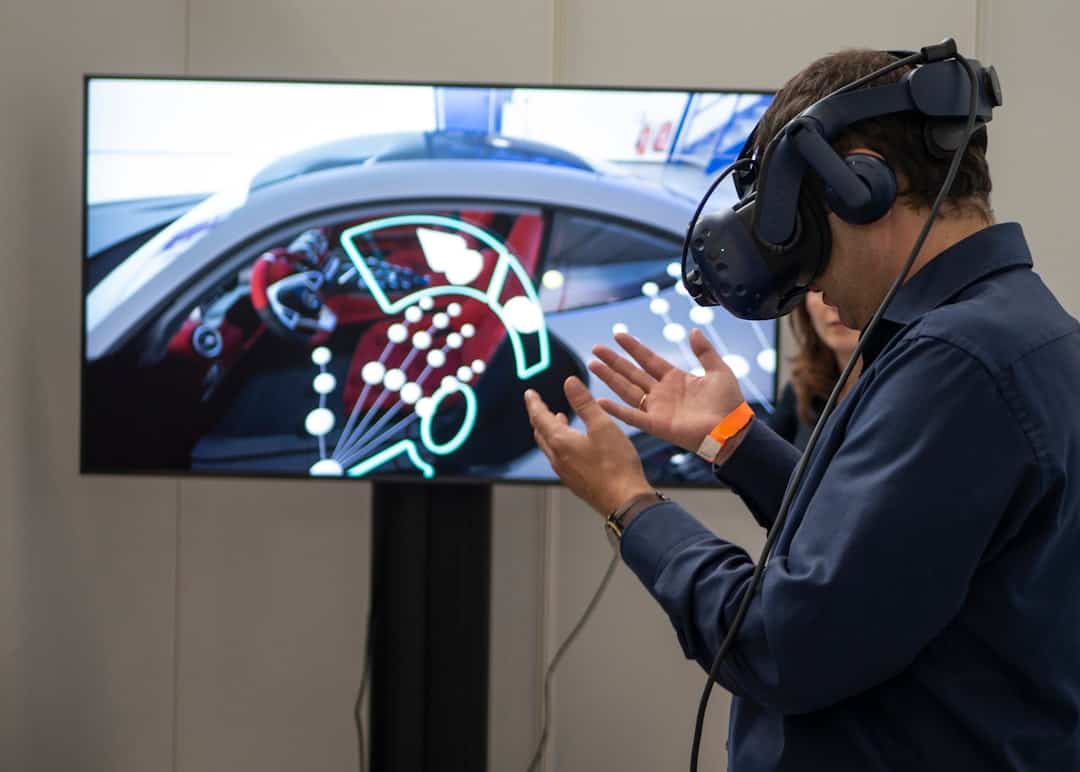
Imagine a car company allowing users to explore a virtual model of their latest vehicle, customize its features, and even take a virtual test drive. This provides a level of engagement far beyond a static image or video.
Branded Games and Gamified Experiences
Integrating gameplay elements into brand interactions can significantly boost user engagement. This could involve branded mini-games within a metaverse platform or the creation of entirely new game experiences centered around a brand’s narrative.
Virtual Events and Activations
Concerts, fashion shows, product launches, and conferences can all be hosted within the metaverse, offering global accessibility and unique interactive possibilities. Brands can sponsor these events or host their own exclusive activations.
Influencer Marketing in the Metaverse
Just as real-world influencers shape consumer behavior, metaverse inhabitants known as “virtual influencers” or avatars with significant followings are becoming key marketing partners. These digital personalities can promote brands, review products, and host events within virtual worlds.
The Rise of Virtual Influencers
These AI-driven or artist-controlled avatars can embody a brand’s aesthetic and connect with audiences on a relatable, albeit digital, level. Their presence can feel more authentic within the metaverse context.
Avatar Endorsements and Collaborations
Brands can partner with popular avatars to showcase their virtual products or even their real-world offerings through sponsored content within the metaverse.
Community Building and Social Engagement
The metaverse is inherently social, making community building a crucial marketing strategy. Brands can foster communities around shared interests related to their products or services within virtual spaces.
Creating Branded Communities and Guilds
Establishing virtual spaces where users can gather, discuss, and share experiences related to a brand can cultivate loyalty and advocacy.
User-Generated Content and Co-Creation
Encouraging users to create and share their own content within the metaverse, such as designing virtual merchandise or participating in branded challenges, fosters a sense of ownership and engagement.
Technologies Powering Metaverse Marketing

A confluence of technologies is enabling the rise of metaverse marketing. These innovations are creating the infrastructure for immersive experiences, digital ownership, and seamless interaction within virtual worlds. Think of these technologies as the architects and builders of this new digital frontier.
Virtual Reality (VR) and Augmented Reality (AR)
VR headsets provide full immersion into virtual environments, while AR overlays digital information onto the real world. Both are crucial for creating engaging metaverse experiences.
VR for Deep Immersion
VR headsets like the Oculus Quest series allow users to step directly into metaverse worlds, offering a visceral brand experience.
AR for Seamless Integration
AR glasses or smartphone apps can blend virtual brand elements into the user’s physical surroundings, enabling interactive product visualizations or location-based marketing campaigns.
Blockchain and NFTs
Blockchain technology underpins the security, transparency, and scarcity of digital assets in the metaverse, particularly through Non-Fungible Tokens (NFTs).
Decentralized Ownership and Digital Scarcity
NFTs, built on blockchain, provide verifiable ownership of unique digital items, enabling brands to create and sell exclusive virtual goods.
Smart Contracts for Automated Transactions
Smart contracts can automate processes like royalty payments for virtual assets or the distribution of rewards, streamlining brand-customer interactions.
3D Content Creation and Development Tools
Sophisticated software and platforms are essential for building the detailed and interactive environments that constitute the metaverse.
Game Engines and Modeling Software
Tools like Unity, Unreal Engine, and Blender are instrumental in creating the 3D assets and interactive elements that populate metaverse spaces.
Metaverse Development Platforms
Specific platforms like Roblox Studio, Decentraland’s SDK, and The Sandbox’s Game Maker provide frameworks for developers and brands to build experiences.
Artificial Intelligence (AI) and Machine Learning (ML)
AI and ML play a vital role in personalizing user experiences, powering virtual assistants, and analyzing user behavior within the metaverse.
AI-Powered Virtual Assistants and NPCs
AI can create realistic and interactive non-player characters (NPCs) or brand representatives within the metaverse, providing information and support.
Data Analytics for User Insights
ML algorithms can analyze vast amounts of user data within the metaverse to understand preferences, optimize campaigns, and predict trends.
Challenges and Considerations for Metaverse Marketers

While the metaverse presents exciting opportunities, it also comes with its own set of hurdles. Marketers must navigate these complexities to ensure their strategies are effective and ethical. Imagine clearing the path before building a new city – challenges need to be addressed proactively.
Technical Hurdles and Accessibility
The metaverse still faces limitations in terms of widespread accessibility due to the cost of hardware, internet connectivity requirements, and the steep learning curve for some platforms.
Hardware Costs and Adoption Rates
High-end VR headsets can be expensive, limiting the potential audience for fully immersive experiences. Broader adoption of more affordable hardware is crucial.
Interoperability Standards
The lack of universal standards for interoperability means that digital assets and experiences may be siloed within specific metaverse platforms, hindering seamless brand integration across the ecosystem.
Ethical Considerations and User Privacy
The immersive nature of the metaverse raises new questions about data privacy, user consent, and the potential for manipulation. Transparency and responsible data handling are paramount.
Data Privacy and Security Concerns
The collection of granular user data within the metaverse, including biometric information and behavioral patterns, necessitates robust privacy policies and security measures.
The Risk of Digital Addiction and Exploitation
The captivating nature of the metaverse could lead to issues of digital addiction. Marketers must avoid predatory practices and ensure responsible engagement.
Measuring ROI and Campaign Effectiveness
Establishing clear metrics and methodologies for measuring the return on investment (ROI) of metaverse marketing campaigns is a nascent field. Traditional digital marketing metrics may not directly translate.
Defining Key Performance Indicators (KPIs)
Developing relevant KPIs that capture engagement, brand sentiment, conversions, and community growth within the metaverse is essential.
Attribution Modeling in Virtual Environments
Understanding how to attribute sales or leads to specific metaverse marketing touchpoints presents a significant analytical challenge.
Brand Safety and Reputation Management
The open and decentralized nature of some metaverse platforms can pose risks to brand safety. Marketers need to be vigilant about their brand’s presence and representation.
Moderation and Content Control
Ensuring that brand-sponsored spaces and activities are free from inappropriate content or malicious actors is crucial for maintaining brand reputation.
While user-generated content can be a powerful tool, brands must have strategies in place to monitor and manage potential negative or off-brand UGC.
As businesses increasingly explore innovative ways to engage with consumers, the concept of digital marketing in the metaverse is gaining traction. This immersive environment offers unique opportunities for brands to create interactive experiences that resonate with users on a deeper level. For a deeper understanding of how various industries are collaborating within this virtual space, you can read about it in this insightful article on business collaboration in the metaverse. By leveraging these strategies, companies can enhance their digital marketing efforts and foster stronger connections with their audiences. For more information, check out this article.
The Future of Digital Marketing in the Metaverse
| Metric | Description | Value / Example | Relevance to Digital Marketing |
|---|---|---|---|
| Average User Engagement Time | Average time users spend interacting with metaverse marketing content | 30-45 minutes per session | Higher engagement time indicates better content immersion and brand recall |
| Virtual Event Attendance | Number of participants attending brand-hosted events in the metaverse | 5,000 – 20,000 attendees per event | Measures reach and interest in brand experiences |
| Ad Click-Through Rate (CTR) | Percentage of users clicking on metaverse ads | 1.5% – 3.5% | Indicates effectiveness of ad placement and creative |
| Conversion Rate | Percentage of users completing desired actions (e.g., purchases, sign-ups) | 2% – 5% | Measures success of marketing campaigns in driving user actions |
| Average Cost Per Engagement (CPE) | Marketing spend divided by number of engagements | Varies widely; approx. 0.10 – 0.50 per engagement | Helps optimize budget allocation for metaverse campaigns |
| Brand Recall Rate | Percentage of users who remember the brand after metaverse interaction | 60% – 75% | Indicates effectiveness of immersive brand experiences |
| Avatar Customization Adoption | Percentage of users adopting branded avatar items or skins | 10% – 25% | Shows user affinity and brand integration in metaverse identity |
The metaverse is still in its early stages of development, much like the early internet before the advent of e-commerce and social media. The trajectory of metaverse marketing will be shaped by technological advancements, user behavior, and evolving ethical frameworks. This is not a destination, but a journey of continuous innovation.
The Evolution Towards a More Unified Metaverse
As interoperability improves and platforms converge, a more seamless and interconnected metaverse will emerge, allowing for more expansive and efficient brand campaigns.
Cross-Platform Campaigns and Asset Portability
The ability for users to carry their digital identities and assets across different metaverse worlds will streamline marketing efforts and create a more cohesive brand presence.
The Development of Metaverse Advertising Standards
As the market matures, industry-wide standards for advertising formats, data collection, and ethical practices are likely to emerge, providing greater clarity and consistency.
Increased Sophistication of Immersive Experiences
Advancements in VR/AR technology, haptics, and AI will lead to even more realistic and engaging brand experiences, blurring the lines between the physical and digital.
Hyper-Personalized Brand Interactions
AI-driven personalization will enable brands to tailor metaverse experiences to individual users, creating deeper connections and more effective engagement.
The Blurring of Physical and Digital Worlds
As AR technology becomes more ubiquitous, brands will find new ways to integrate their metaverse presence with the physical world, creating hybrid marketing opportunities.
New Forms of Monetization and Consumer Engagement
The metaverse will continue to unlock novel ways for brands to generate revenue and for consumers to interact with brands, moving beyond traditional sales models.
Direct-to-Avatar (D2A) Commerce
The sale of virtual goods and services directly to user avatars will become a significant revenue stream, offering new avenues for brand expression and consumer customization.
The Rise of the Creator Economy in the Metaverse
Empowering users to create and monetize their own metaverse content, including branded experiences, will foster a more dynamic and innovative marketing ecosystem.
In conclusion, exploring digital marketing in the metaverse requires an understanding of its unique characteristics, a willingness to experiment with new strategies, and a commitment to navigating its evolving technological and ethical landscape. Brands that can effectively embrace this new frontier stand to build deeper connections with consumers and forge innovative paths for brand growth.









Leave a Reply