
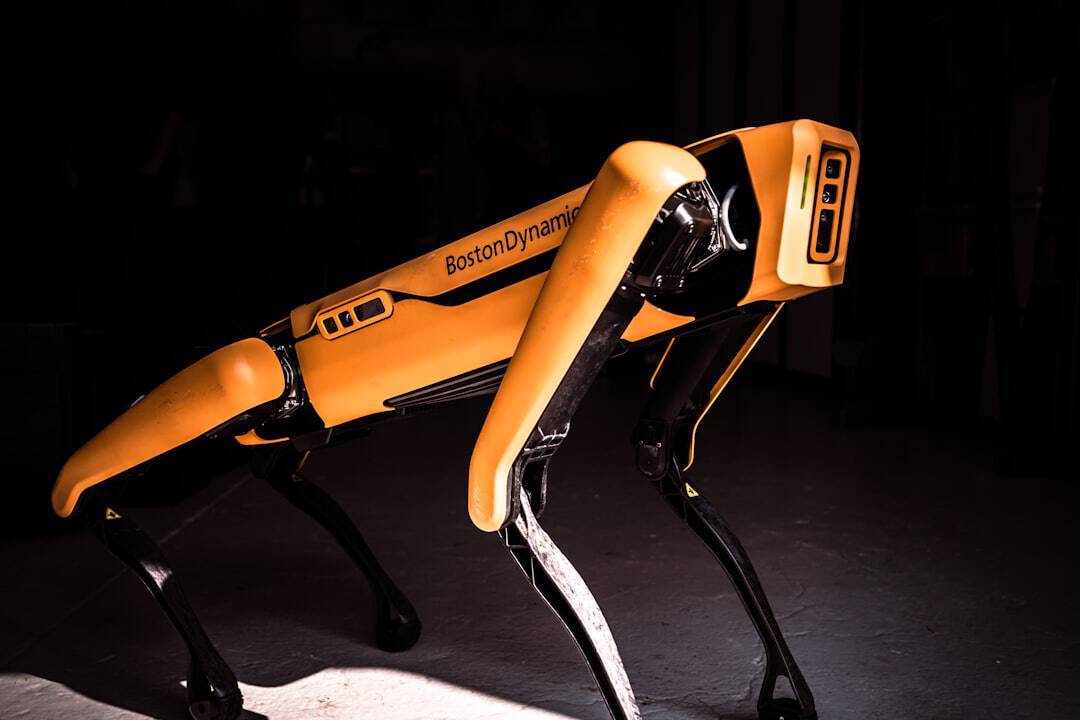
Artificial Intelligence (AI) is a rapidly advancing field of technology that aims to create intelligent machines capable of performing tasks typically requiring human intelligence. These tasks range from simple activities like speech or image recognition to complex processes such as decision-making and problem-solving. AI has the potential to revolutionize industries and improve quality of life globally.
Significant advancements have already been made in healthcare, finance, transportation, and entertainment sectors. AI’s ability to analyze vast amounts of data at unprecedented speeds and scales surpasses human capabilities, leading to more accurate predictions and improved decision-making. As AI continues to evolve, it is crucial to address ethical concerns, potential dangers, unintended consequences, job displacement, and privacy issues.
Implementing appropriate safeguards is essential to ensure responsible AI usage that benefits humanity.
Key Takeaways
- AI refers to the simulation of human intelligence in machines, enabling them to learn, reason, and make decisions.
- Ethical concerns surrounding AI include issues of bias, transparency, and accountability in decision-making processes.
- Potential dangers of AI include the misuse of autonomous weapons, mass surveillance, and the spread of misinformation.
- Unintended consequences of AI may include job displacement, economic inequality, and loss of human autonomy.
- AI has the potential to displace jobs in various industries, leading to unemployment and economic disruption.
- Privacy concerns surrounding AI involve the collection and use of personal data without consent, leading to potential breaches of privacy and security.
- Safeguards against the dangers of AI include ethical guidelines, regulations, and oversight to ensure responsible development and deployment of AI technologies.
Ethical concerns surrounding AI
Bias in Decision-Making Algorithms
One of the major ethical concerns surrounding AI is the potential for bias in decision-making algorithms. AI systems are often trained on historical data, which can contain biases and prejudices. If these biases are not addressed, AI systems can perpetuate and even exacerbate existing social inequalities. For example, in the criminal justice system, AI algorithms used for risk assessment have been found to disproportionately label people of color as high risk, leading to harsher sentencing and perpetuating racial disparities.
Privacy Rights and Autonomy
Another ethical concern is the potential for AI to infringe on privacy rights. As AI systems become more advanced and capable of analyzing vast amounts of data, there is a risk that personal information could be misused or exploited. This could lead to violations of privacy and autonomy, as well as potential discrimination based on sensitive personal information.
The Consequences of Unaddressed Biases
If biases in AI systems are not addressed, they can have serious consequences, including the perpetuation and exacerbation of existing social inequalities. For instance, biased AI algorithms can lead to racial disparities in the criminal justice system, and the misuse of personal information can result in discrimination and violations of privacy and autonomy. It is essential to address these ethical concerns to ensure that AI systems are developed and used in a responsible and fair manner.
Potential dangers of AI
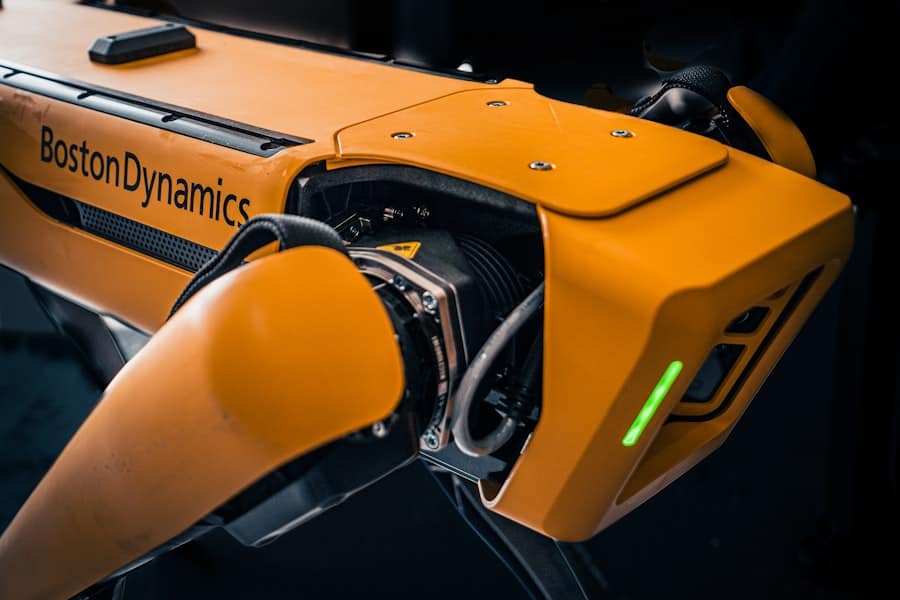
There are several potential dangers associated with the development and deployment of AI. One of the most pressing concerns is the possibility of AI systems being used for malicious purposes, such as cyber attacks or autonomous weapons. As AI becomes more sophisticated, there is a risk that it could be used by malicious actors to carry out cyber attacks on critical infrastructure or to develop autonomous weapons that could cause widespread harm.
Another potential danger is the loss of jobs due to automation. As AI systems become more capable of performing tasks that were previously done by humans, there is a risk of widespread job displacement, particularly in industries that rely heavily on manual labor or routine tasks. This could lead to economic instability and social unrest if not managed properly.
There are several potential dangers associated with the development and deployment of AI. One of the most pressing concerns is the possibility of AI systems being used for malicious purposes, such as cyber attacks or autonomous weapons. As AI becomes more sophisticated, there is a risk that it could be used by malicious actors to carry out cyber attacks on critical infrastructure or to develop autonomous weapons that could cause widespread harm.
Another potential danger is the loss of jobs due to automation. As AI systems become more capable of performing tasks that were previously done by humans, there is a risk of widespread job displacement, particularly in industries that rely heavily on manual labor or routine tasks. This could lead to economic instability and social unrest if not managed properly.
Unintended consequences of AI
In addition to the potential dangers of AI, there are also unintended consequences that need to be considered. One unintended consequence is the impact of AI on social interactions and relationships. As AI becomes more integrated into everyday life, there is a risk that it could lead to a decline in human-to-human interaction and a reliance on technology for social connections.
This could have negative effects on mental health and well-being if not managed carefully. Another unintended consequence is the potential for AI systems to make errors or misinterpret information, leading to unintended outcomes. This could have serious implications in critical areas such as healthcare or transportation, where errors could have life-threatening consequences.
In addition to the potential dangers of AI, there are also unintended consequences that need to be considered. One unintended consequence is the impact of AI on social interactions and relationships. As AI becomes more integrated into everyday life, there is a risk that it could lead to a decline in human-to-human interaction and a reliance on technology for social connections.
This could have negative effects on mental health and well-being if not managed carefully. Another unintended consequence is the potential for AI systems to make errors or misinterpret information, leading to unintended outcomes. This could have serious implications in critical areas such as healthcare or transportation, where errors could have life-threatening consequences.
AI and job displacement
The rise of AI has led to concerns about job displacement as automation becomes more prevalent in various industries. While some argue that new jobs will be created as a result of technological advancements, others worry about the impact on those who may not have the skills or resources to transition into new roles. The potential for widespread job displacement raises questions about how society will support those affected by automation and how education and training programs will need to adapt to prepare workers for the changing job market.
The rise of AI has led to concerns about job displacement as automation becomes more prevalent in various industries. While some argue that new jobs will be created as a result of technological advancements, others worry about the impact on those who may not have the skills or resources to transition into new roles. The potential for widespread job displacement raises questions about how society will support those affected by automation and how education and training programs will need to adapt to prepare workers for the changing job market.
AI and privacy concerns

The Need for Regulations and Safeguards
As AI becomes more integrated into everyday life, it is crucial for regulations and safeguards to be put in place to protect individuals’ privacy rights and ensure that their personal data is used responsibly.
Risks of Unchecked Data Collection
The ability of AI to collect and analyze vast amounts of personal data poses significant risks to individuals’ privacy. Without proper safeguards, individuals’ privacy could be compromised without their consent, leading to issues such as surveillance, targeted advertising, and data security breaches.
Ensuring Responsible Data Use
It is essential to establish regulations and safeguards to ensure that AI technology is used responsibly and that individuals’ personal data is protected. This requires a concerted effort to develop and implement effective data protection policies and practices that prioritize individuals’ privacy rights.
Safeguards against the dangers of AI
In order to mitigate the potential dangers associated with AI, it is essential to implement safeguards and regulations that promote responsible use of this technology. This includes developing ethical guidelines for the development and deployment of AI systems, as well as ensuring transparency and accountability in their use. Additionally, there needs to be ongoing research into the potential risks associated with AI and efforts to address these risks through measures such as bias detection and mitigation in algorithms.
In order to mitigate the potential dangers associated with AI, it is essential to implement safeguards and regulations that promote responsible use of this technology. This includes developing ethical guidelines for the development and deployment of AI systems, as well as ensuring transparency and accountability in their use. Additionally, there needs to be ongoing research into the potential risks associated with AI and efforts to address these risks through measures such as bias detection and mitigation in algorithms.
In conclusion, while AI has the potential to bring about significant advancements in various fields, it also raises important ethical concerns and potential dangers that need to be addressed. It is crucial for society to consider these issues carefully and work towards implementing safeguards that promote responsible use of AI while protecting individuals’ rights and well-being. By doing so, we can harness the benefits of AI while minimizing its potential negative impacts on society.
If you’re interested in the potential dangers of AI, you may also want to read this article on the challenges and opportunities of AI from a business and economic perspective here. It delves into the ethical and economic implications of AI and how it may impact various industries.
FAQs
What are the potential dangers of AI?
AI has the potential to be misused for malicious purposes, such as cyber attacks, surveillance, and autonomous weapons. It also has the potential to disrupt labor markets and lead to job displacement.
How can AI be used for malicious purposes?
AI can be used to create sophisticated cyber attacks, deepfake videos, and misinformation campaigns. It can also be used for mass surveillance and social control.
What are the ethical concerns surrounding AI?
Ethical concerns surrounding AI include issues of privacy, bias in algorithms, accountability for AI decision-making, and the potential for AI to infringe on human rights.
How can AI disrupt labor markets?
AI has the potential to automate many jobs, leading to job displacement and the need for workers to retrain for new roles. This can lead to economic and social disruption.
What are the risks of autonomous weapons powered by AI?
Autonomous weapons powered by AI raise the risk of accidental harm to civilians, escalation of conflicts, and the potential for these weapons to be used for oppressive purposes.









Leave a Reply