
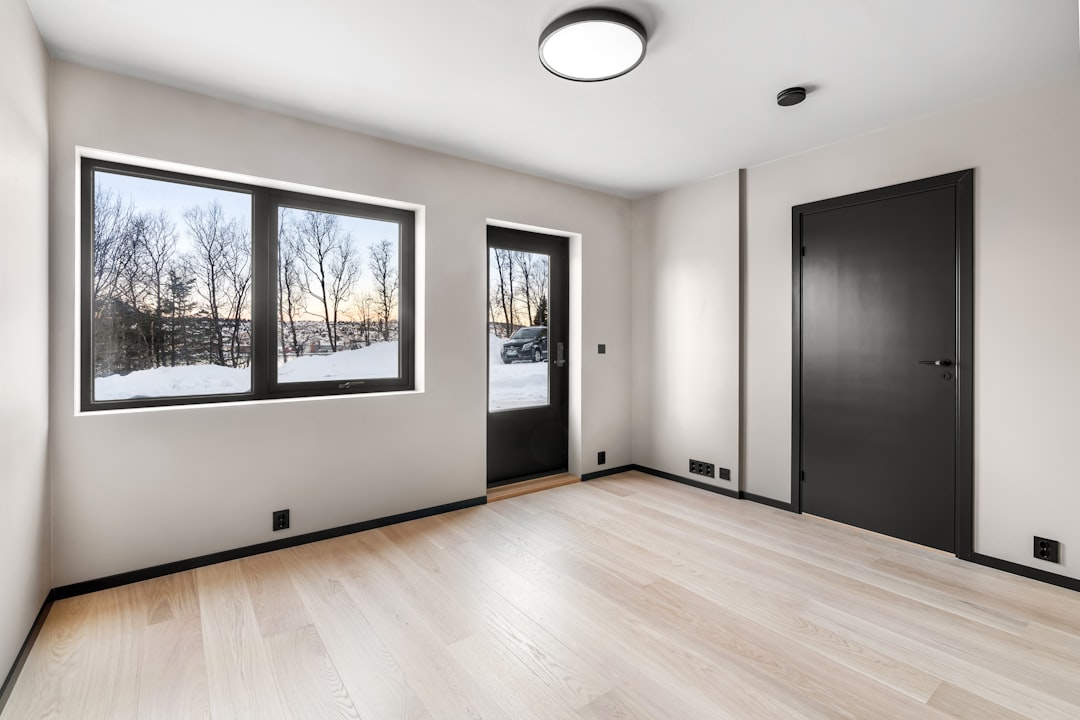
The integration of artificial intelligence into various sectors has been nothing short of revolutionary, and the field of interior design is no exception. Over the past few years, we have witnessed a significant shift in how designers approach their work, thanks to the advent of AI technologies. These innovations have not only streamlined the design process but have also opened up new avenues for creativity and personalization.
As AI continues to evolve, it is becoming an indispensable tool for both professional designers and DIY enthusiasts alike, enabling them to create spaces that are not only aesthetically pleasing but also functional and tailored to individual needs. The rise of AI in interior design can be attributed to several factors, including advancements in machine learning algorithms, increased computational power, and the growing availability of vast datasets. These elements have allowed AI systems to analyze design trends, user preferences, and spatial dynamics with remarkable accuracy.
As a result, designers can now leverage AI to generate innovative concepts and solutions that were previously unimaginable. This technological evolution is transforming the way we think about interior spaces, making it possible to create environments that resonate with personal style while maximizing comfort and utility. AI systems are revolutionizing industries, for more information visit
Color plays a pivotal role in interior design, influencing mood, perception, and overall ambiance. With the help of AI, designers can now explore automatic color combinations that enhance the aesthetic appeal of any space. Advanced algorithms analyze color theory principles and current design trends to suggest harmonious palettes that resonate with users’ preferences.
This capability allows for a more intuitive approach to color selection, eliminating the guesswork that often accompanies traditional methods. AI tools can also consider factors such as lighting conditions and room dimensions when recommending color combinations. For example, a small room may benefit from lighter shades to create an illusion of space, while a larger area might be enhanced with bolder hues for a dramatic effect.
By taking these variables into account, AI ensures that the chosen colors not only look good on paper but also translate well into the physical environment. This level of precision helps users achieve their desired aesthetic without the trial-and-error process that often accompanies color selection.
AI-guided Furniture and Decor Selection
Selecting the right furniture and decor is crucial for achieving a cohesive interior design. AI has made significant strides in this area by offering guided recommendations based on user preferences and spatial constraints. By analyzing a room’s dimensions and existing elements, AI can suggest furniture pieces that fit seamlessly into the overall design while also meeting functional requirements.
Moreover, AI-driven platforms often feature extensive databases of furniture and decor items from various retailers. This allows users to browse through countless options tailored to their specific needs without feeling overwhelmed. For instance, if a user expresses a preference for mid-century modern furniture, the AI can curate a selection of items that align with that style while considering factors like budget and availability.
This personalized approach not only simplifies the decision-making process but also enhances the overall shopping experience.
AI’s Role in Space Optimization
In today’s world, where urban living often means dealing with limited space, effective space optimization has become more critical than ever. AI excels in this area by analyzing room layouts and suggesting configurations that maximize functionality without sacrificing aesthetics. By leveraging advanced algorithms, AI can identify potential bottlenecks or underutilized areas within a space and propose solutions that enhance flow and usability.
For example, an AI system might recommend multi-functional furniture pieces or suggest rearranging existing items to create a more open layout. Additionally, it can provide insights into storage solutions that help declutter spaces while maintaining an organized appearance. This level of optimization not only improves the overall functionality of a room but also contributes to a more enjoyable living experience by creating environments that feel spacious and inviting.
The Future of AI in Interior Design
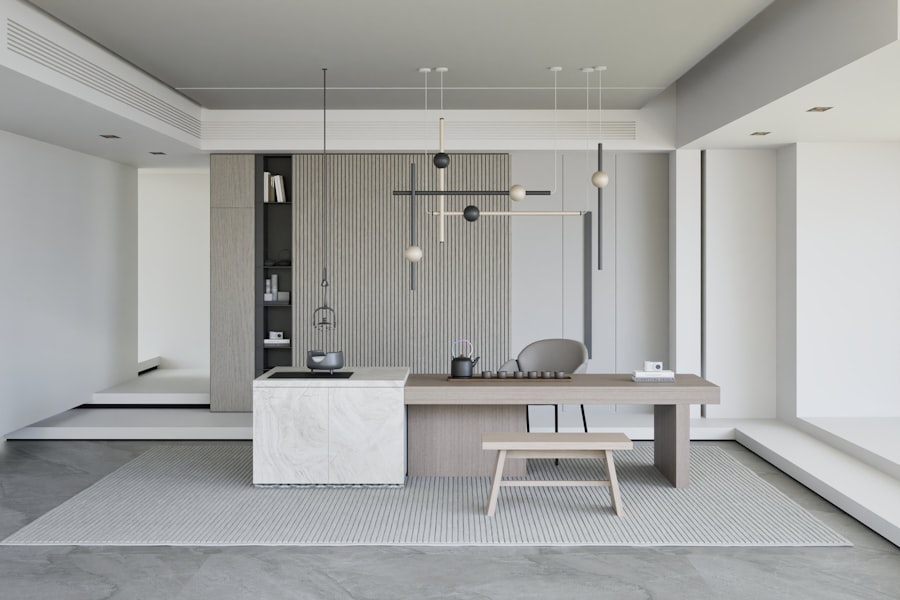
As we look ahead, the future of AI in interior design appears bright and full of potential. With ongoing advancements in technology, we can expect even more sophisticated tools that will further enhance the design process. For instance, virtual reality (VR) and augmented reality (AR) are likely to become integral components of AI-driven design platforms, allowing users to visualize their spaces in real-time before making any commitments.
This could lead to a more dynamic design experience where users are continually inspired by fresh ideas tailored specifically to their tastes. The fusion of AI with other emerging technologies will undoubtedly reshape the landscape of interior design, making it more accessible and engaging for everyone involved.
AI’s Impact on the Interior Design Industry
The impact of AI on the interior design industry is profound and multifaceted. For professional designers, AI serves as a powerful ally that enhances creativity and efficiency. By automating routine tasks such as drafting floor plans or generating mood boards, designers can focus on higher-level creative work that requires human intuition and expertise.
This shift not only improves productivity but also allows designers to take on more projects without compromising quality. On the other hand, the rise of AI-driven design tools has also led to increased competition within the industry. As more individuals gain access to sophisticated design capabilities through user-friendly platforms, traditional designers may need to adapt their business models to stay relevant.
This could involve offering specialized services that leverage their unique skills or focusing on high-end projects where personalized expertise is paramount. Ultimately, the integration of AI is reshaping the industry landscape, prompting both challenges and opportunities for professionals at all levels.
The Benefits and Challenges of AI-based Interior Design
While the benefits of AI-based interior design are numerous—ranging from enhanced personalization to improved efficiency—there are also challenges that must be addressed. One significant advantage is the ability to streamline the design process, allowing users to create beautiful spaces without extensive knowledge or experience in interior design. This democratization of design empowers individuals to take control of their environments while fostering creativity.
However, challenges remain regarding the reliance on technology for creative expression. Some critics argue that an over-dependence on AI could stifle human creativity and intuition in design. Additionally, there are concerns about data privacy as users share personal preferences with AI systems.
Striking a balance between leveraging technology for efficiency while preserving the unique human touch in design will be crucial as we move forward. In conclusion, the rise of AI in interior design marks a transformative era characterized by personalization, efficiency, and innovation. As technology continues to evolve, it will undoubtedly shape how we approach interior spaces—making them more accessible and tailored to individual needs while presenting new challenges for industry professionals.
Embracing this change will be essential for both designers and enthusiasts alike as they navigate the exciting possibilities that lie ahead in this dynamic field.
In the rapidly evolving field of AI-based interior design, where personalized room design plans and automatic color combinations are becoming increasingly sophisticated, it’s essential to stay informed about the latest advancements and discussions. A related article that delves into the broader implications of AI in creative industries can be found in an insightful interview on Metaversum. This interview explores the intersection of technology and creativity, providing valuable perspectives on how AI is transforming various sectors, including interior design. For more in-depth insights, you can read the full interview by visiting this link.
FAQs
What is AI-based interior design?
AI-based interior design refers to the use of artificial intelligence technology to assist in the process of creating personalized room design plans, automatic color combinations, and AI-guided interior home decoration. This technology uses algorithms and machine learning to analyze data and provide recommendations for interior design.
How does AI-based interior design work?
AI-based interior design works by analyzing various data points such as room dimensions, furniture styles, color preferences, and budget constraints. The AI system then uses this data to generate personalized room design plans, suggest automatic color combinations, and provide guidance for interior home decoration.
What are the benefits of AI-based interior design?
Some of the benefits of AI-based interior design include the ability to create personalized room design plans that cater to individual preferences and requirements, the convenience of automatic color combinations, and the guidance provided for interior home decoration. This technology can also help save time and effort in the interior design process.
Is AI-based interior design suitable for all types of spaces?
AI-based interior design can be used for a wide range of spaces, including residential homes, offices, retail stores, and hospitality venues. The technology can adapt to different design styles and preferences, making it suitable for various types of spaces.
Are there any limitations to AI-based interior design?
While AI-based interior design can provide valuable recommendations and guidance, it may not fully replace the expertise and creativity of human interior designers. Additionally, the technology relies on the accuracy of the input data and may not always account for intangible factors such as personal emotions and experiences.









Leave a Reply