

The metaverse represents a significant evolution in digital interaction, extending beyond the current internet. It is envisioned as a persistent, interconnected network of 3D virtual worlds, where users can engage with digital environments, objects, services, and other individuals in real-time. This convergence of physical and digital realities opens new avenues for communication, commerce, entertainment, and social connection. For digital marketers, this emerging landscape presents a paradigm shift, demanding a re-evaluation of strategies and tactics.
The metaverse is not a singular entity but rather a concept encompassing various interconnected technologies and platforms. Its defining characteristics lie in its immersive nature, persistence, and interoperability.
Immersive Experiences and User Presence
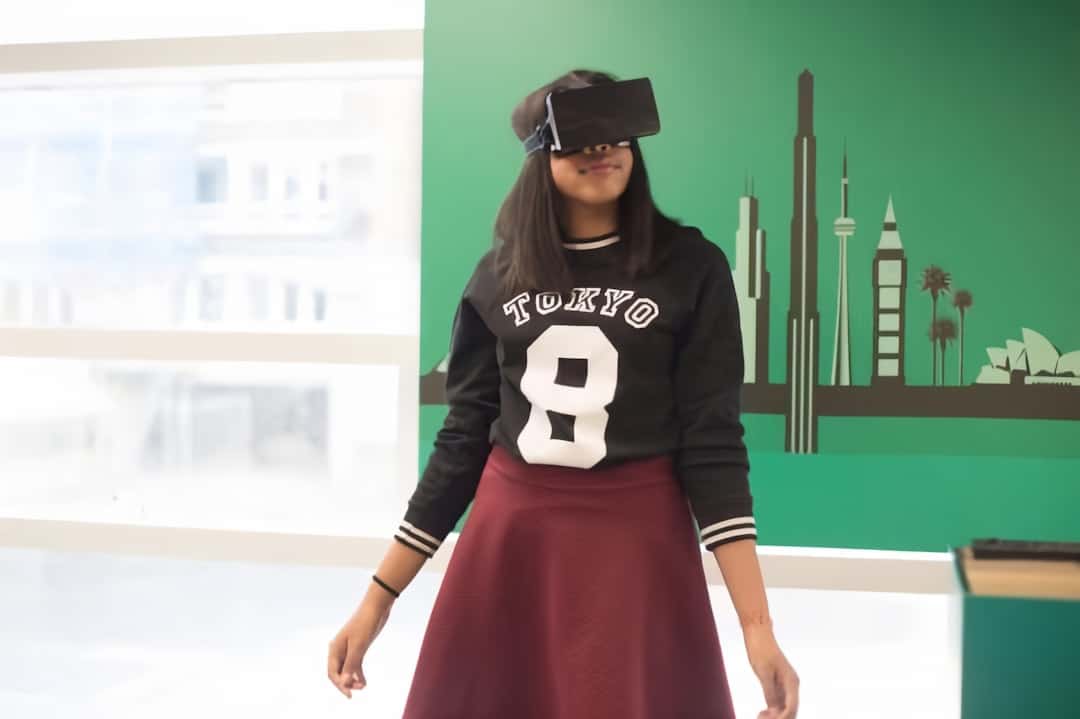
Unlike the flat, two-dimensional interfaces of the current web, the metaverse offers 3D virtual environments. Users can experience a sense of presence, inhabiting digital avatars that represent them within these spaces. This presence allows for more naturalistic interactions and a deeper engagement with digital content and brand offerings. Imagine walking through a virtual store, examining products from all angles, or attending a digital concert where you feel present amongst other attendees, rather than merely observing through a screen. This level of immersion fundamentally alters the user’s perception and interaction with digital information.
The metaverse is designed to be persistent, meaning it continues to exist and evolve even when individual users are offline. This persistence fosters a sense of ongoing community and shared experience. Events occur, digital assets retain their value and state, and the virtual world itself develops over time. This is akin to a real-world city that continues to function and change independently of whether you are currently in it. For marketers, this persistence means brand interactions can have long-term resonance and contribute to an ongoing narrative within the metaverse.
Interoperability and Digital Assets
While currently fragmented into various platforms, the ultimate vision of the metaverse includes interoperability. This means digital assets, identities, and experiences could potentially move seamlessly between different virtual worlds. This interoperability is crucial as it lays the groundwork for a truly interconnected digital universe. Furthermore, the rise of non-fungible tokens (NFTs) has introduced the concept of verifiable ownership of scarce digital assets, from virtual clothing for avatars to digital land. This has profound implications for how value is created, exchanged, and recognized within the metaverse.
The metaverse is rapidly transforming the landscape of digital marketing, offering brands innovative ways to engage with consumers in immersive environments. A related article that delves into the complexities of this hybrid reality is available at Metaverse and the Real World: Challenges of the Hybrid Reality. This piece explores the challenges and opportunities that arise as businesses navigate the integration of virtual and physical experiences, making it a valuable read for marketers looking to leverage the metaverse effectively.
Digital Marketing Evolution in the Metaverse
The advent of the metaverse necessitates a fundamental rethinking of digital marketing principles. Traditional approaches, optimized for static websites and limited user interaction, will likely prove insufficient. New strategies will need to leverage the unique characteristics of these immersive digital environments.
Shifting from Interruption to Immersion
Current digital marketing often relies on interruptive tactics – banner ads, pop-ups, and targeted advertisements that can disrupt the user experience. In the metaverse, however, the focus shifts towards immersive brand integration. Instead of an ad flashing on a screen, a brand might create a virtual storefront, host an interactive brand experience, or offer virtual goods and apparel that users can acquire and display. The goal is to make brand engagement a natural and enjoyable part of the user’s metaverse journey, rather than an unwelcome intrusion.
Building Communities and Fostering Engagement
The metaverse is inherently social. It provides a platform for users to connect, collaborate, and form communities around shared interests. Digital marketers can leverage this by fostering brand communities within virtual spaces, hosting virtual events, and encouraging user-generated content. This moves beyond simply broadcasting a message to actively involving users in the brand’s narrative and development. Imagine a brand hosting a virtual workshop where users can learn about a product while interacting with the brand’s avatar and other users.
New Metrics for Success
The metrics used to evaluate marketing success will also need to evolve. While clicks and impressions remain relevant, they may not fully capture the depth of engagement or brand affinity generated within the metaverse. Metrics such as time spent in virtual experiences, avatar interactions, virtual item purchases, and community participation will become increasingly important. Understanding how users are truly experiencing and interacting with a brand within a 3D environment is key.
Metaverse Marketing Strategies

Successfully navigating the metaverse requires a suite of evolving marketing strategies, tailored to the unique opportunities and challenges of these virtual worlds.
Virtual Branded Spaces and Experiences
One of the most direct marketing approaches is the creation of branded virtual spaces. These can range from simple digital storefronts where users can browse and purchase virtual or even physical goods, to elaborate themed environments that tell a brand’s story or offer interactive games and activities. For instance, a fashion brand could create a virtual boutique showcasing its latest collection, allowing users to try on outfits on their avatars. Similarly, an automotive company could build a virtual showroom where users can explore and customize vehicles in detail.
Immersive Product Demonstrations
Brands can utilize the 3D nature of the metaverse to offer highly immersive product demonstrations. Instead of watching a video, users can interact with a virtual representation of a product, manipulate its features, and understand its functionality firsthand. A tech company could allow users to virtually assemble a device, or a furniture brand could enable users to place virtual furniture in their own simulated virtual homes to see how it looks.
Experiential Storytelling
The metaverse provides a rich canvas for experiential storytelling. Brands can create narratives that users can actively participate in, rather than passively consume. This could involve quests, puzzles, or collaborative challenges that are tied to the brand’s identity and values. These experiences foster a deeper emotional connection and a more memorable brand interaction.
Virtual Goods and NFTs
The sale of virtual goods, from avatar clothing and accessories to digital art and property, represents a significant new revenue stream and marketing channel within the metaverse. Coupled with the rise of NFTs, brands can offer verifiable ownership of these digital assets, adding a layer of scarcity and exclusivity.
Avatar Customization and Brand Identity
Allowing users to customize their avatars with branded virtual merchandise – clothing, accessories, emotes – is a powerful way to promote brand visibility and associate the brand with personal expression. When users choose to represent themselves with branded items, they become digital ambassadors for that brand.
Digital Collectibles and Exclusivity
Leveraging NFTs, brands can create limited-edition digital collectibles that offer exclusive access, in-game benefits, or even real-world perks. This taps into the human desire for ownership and scarcity, driving demand and fostering a sense of community among collectors.
Influencer Marketing in the Metaverse
Influencer marketing, a staple of current digital marketing, is poised to translate to the metaverse with new dimensions. Virtual influencers, generated by AI or operated by humans, can embody brand values and engage with audiences in unique ways.
Virtual Personalities and Brand Ambassadors
Brands can partner with existing virtual influencers or create their own brand-specific virtual personalities to promote products and experiences. These virtual entities can engage in dialogues, host events, and build dedicated followings within metaverse platforms.
User-Generated Content and Community Building
Beyond official brand activations, the metaverse thrives on user-generated content. Brands can encourage users to create and share their own experiences, art, and media within the metaverse, using branded assets or participating in brand-sponsored challenges. This fosters a sense of community and authentic advocacy.
Challenges and Considerations for Metaverse Marketing

While the metaverse offers immense potential, it is not without its challenges. Marketers must approach this new frontier with a clear understanding of the practical and ethical considerations involved.
Platform Fragmentation and Interoperability
Currently, the metaverse is not a single, unified space. It consists of numerous distinct platforms, each with its own technical architecture, user base, and monetization models. This fragmentation presents a challenge for brands seeking a broad reach and requires careful consideration of where to invest their marketing efforts. The lack of seamless interoperability between these platforms means a digital asset purchased in one metaverse might not be usable in another, requiring separate strategies for each.
Technical Barriers and Accessibility
The immersive nature of the metaverse often requires specialized hardware, such as virtual reality (VR) headsets, or high-performance computing. This can create a barrier to entry for some segments of the population, limiting the potential audience for metaverse marketing campaigns. While accessibility is improving, it remains a factor to consider when designing strategies.
Privacy, Security, and Ethical Concerns
The collection and use of user data in the metaverse raise significant privacy concerns. The tracking of user behavior, avatar interactions, and biometric data, if applicable, requires robust data protection measures and transparent communication with users. Furthermore, the potential for harassment, misinformation, and exploitation within virtual environments necessitates a strong ethical framework for marketing activities. Brands must ensure their presence and promotions are conducted responsibly.
Measuring ROI and Proving Value
As a nascent field, establishing clear return on investment (ROI) for metaverse marketing can be challenging. The metrics for success are still evolving, and the long-term impact of metaverse campaigns may not be immediately apparent. Brands will need to experiment, establish benchmarks, and develop new methodologies for measuring the effectiveness of their investments in this new domain.
As businesses increasingly explore innovative ways to engage consumers, the concept of the metaverse is becoming a pivotal element in digital marketing strategies. This immersive digital environment allows brands to create unique experiences that blend the physical and virtual worlds, enhancing customer interaction and brand loyalty. For a deeper understanding of how the metaverse can integrate with real-world applications, you can read a related article that discusses these concepts in detail at Metaverse and the Real World: Integrating Physical and Virtual Spaces. This exploration highlights the potential of the metaverse to transform marketing approaches and redefine consumer engagement.
The Future of Digital Marketing in the Metaverse
| Metric | Description | Value / Example | Impact on Digital Marketing |
|---|---|---|---|
| Market Size | Estimated global market value of the metaverse in digital marketing | Over 50 billion USD by 2025 | Indicates growing investment and opportunity for brands |
| User Engagement | Average time users spend interacting with metaverse marketing content | 30-45 minutes per session | Higher engagement compared to traditional digital ads |
| Virtual Events | Number of brand-hosted events in the metaverse annually | Thousands globally | Enables immersive brand experiences and direct consumer interaction |
| Ad Recall Rate | Percentage of users who remember metaverse ads after exposure | 70%+ | Improved brand recall compared to 2D digital ads |
| Conversion Rate | Percentage of users who take desired action after metaverse marketing | 5-10% | Higher conversion due to immersive and interactive experiences |
| Brand Collaboration | Number of cross-brand partnerships within metaverse platforms | Increasing annually by 25% | Expands reach and creates unique marketing opportunities |
| Virtual Goods Sales | Sales volume of branded virtual items and NFTs | Millions of units sold annually | New revenue stream and brand loyalty driver |
The metaverse is not merely a transient trend; it represents a fundamental shift in how we interact digitally, and consequently, how brands will connect with consumers. As the technology matures and user adoption grows, the metaverse will undoubtedly become a critical component of the digital marketing landscape.
Evolving User Behavior and Expectations
As users become more accustomed to immersive digital experiences, their expectations for brand interactions will likely increase. They will seek more engaging, personalized, and interactive brand encounters, moving away from passive consumption of advertising. This will push marketers to become storytellers, experience creators, and community builders.
Integration with the Physical World
The metaverse is not intended to entirely replace the physical world but rather to augment it. The lines between the physical and digital will continue to blur, leading to hybrid marketing strategies that seamlessly integrate online and offline experiences. This could involve using AR to bring virtual promotions into the physical world or offering exclusive metaverse content to customers who engage in physical retail.
The Metaverse as a New Creator Economy
The metaverse offers significant opportunities for a decentralized creator economy, where individuals and brands can build, own, and monetize digital content and experiences. This will empower a new generation of digital entrepreneurs and necessitate marketing strategies that support and leverage this emerging ecosystem. Artists, designers, developers, and community managers will all play crucial roles in shaping the metaverse and its marketing potential. The metaverse is not just a new place to advertise; it’s a new place to build, to create, and to connect on a fundamentally different level.









Leave a Reply