

The interactive metaverse represents a frontier in digital interaction, a persistent, interconnected network of virtual worlds where users can engage with each other, digital objects, and AI-driven entities in real-time. It is not a single entity but a conceptual evolution of the internet, moving from a flat, two-dimensional experience to a more immersive, three-dimensional one. The core concept hinges on user presence, agency, and the ability to create and consume content within these shared digital spaces.
The realization of an interactive metaverse is dependent on a confluence of technological advancements. These are the building blocks upon which these digital realms are constructed, each playing a crucial role in bridging the gap between the physical and virtual. Without these elements, the metaverse would remain a theoretical construct, a mere blueprint rather than a tangible experience.
Extended Reality (XR): The Gateway to Immersion
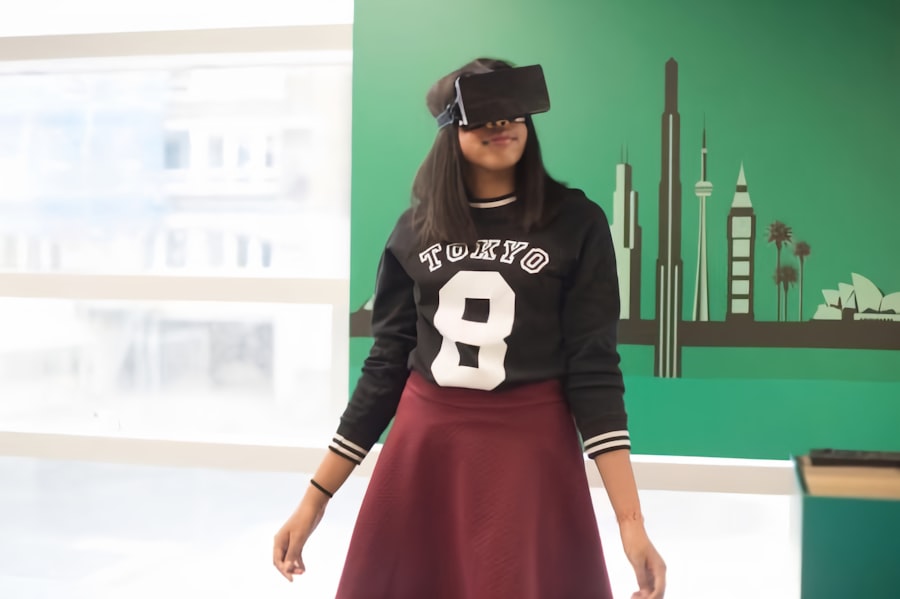
Extended Reality, encompassing Virtual Reality (VR), Augmented Reality (AR), and Mixed Reality (MR), serves as the primary interface for many metaverse experiences. VR fully immerses users in a computer-generated environment, effectively transporting them to another place. AR overlays digital information and graphics onto the real world, enhancing the user’s perception of their surroundings. MR blends the digital and physical, allowing virtual objects to interact with the real environment and vice-versa.
Virtual Reality (VR): Deep Immersion
VR technologies, through headsets and haptic feedback devices, strive to create a sense of “being there.” High-resolution displays, wide fields of view, and precise motion tracking are crucial for reducing motion sickness and enhancing the feeling of presence. Audio plays a significant role, with spatial audio techniques simulating sound from specific directions, further grounding the user within the virtual space. The fidelity of these technologies directly impacts the believability and engagement potential of VR metaverse experiences.
Augmented Reality (AR): Bridging the Gap
AR applications, often accessed through smartphones, smart glasses, or dedicated headsets, layer digital elements onto the user’s view of the real world. This can range from simple notifications and wayfinding to complex interactive overlays that allow for gaming, education, or remote collaboration. The ability to anchor virtual objects to real-world coordinates is a key technical challenge, ensuring that digital elements remain stable and consistent as the user moves.
Mixed Reality (MR): The Symbiotic Blend
MR represents a more advanced form of XR, where virtual objects are not just overlaid but can interact with the physical environment. For instance, a virtual ball dropped in an MR environment might bounce realistically off a real-world table. This requires sophisticated spatial mapping and understanding of the physical environment, enabling seamless integration between digital and physical realities.
Blockchain Technology: The Backbone of Ownership and Economy
Blockchain technology, particularly through non-fungible tokens (NFTs) and cryptocurrencies, is often cited as a critical component for establishing true ownership, interoperability, and decentralized economies within the metaverse. It provides a transparent and immutable ledger for tracking digital assets, enabling users to truly own virtual land, items, and avatars.
Non-Fungible Tokens (NFTs): Digital Scarcity and Ownership
NFTs are unique digital assets whose ownership is recorded on a blockchain. In the metaverse, this translates to owning digital land, unique avatar accessories, virtual art, or any other digital item with verifiable scarcity and provenance. This mechanism moves beyond simple digital possession, granting users a level of control and potential for value appreciation akin to physical assets.
Cryptocurrencies: Facilitating Transactions
Cryptocurrencies serve as the native currencies for many metaverse platforms, facilitating the buying, selling, and trading of digital goods and services. Decentralized finance (DeFi) principles are also being explored, allowing for peer-to-peer lending, staking, and other financial activities within the virtual economy.
Artificial Intelligence (AI): Populating and Animating Worlds
AI is essential for populating metaverse worlds with dynamic and responsive elements. This includes creating believable non-player characters (NPCs), generating procedural content, and moderating user interactions. AI can also personalize user experiences, adapting environments and events based on individual preferences and behaviors.
Behavioral AI: Realistic Avatars and NPCs
AI algorithms can imbue avatars and NPCs with nuanced behaviors, making them more than static digital representations. This includes generating natural language dialogue, mimicking human emotions, and exhibiting adaptive decision-making. The goal is to create digital inhabitants that feel alive and contribute to the richness of the virtual environment.
Generative AI: Content Creation at Scale
Generative AI models are increasingly being used to create a vast array of metaverse assets, from 3D models and textures to music and narrative elements. This can significantly accelerate content creation, allowing for more diverse and rapidly evolving virtual worlds, thereby reducing the development bottleneck.
The concept of the Interaktives Metaverse has gained significant attention in recent years, prompting discussions about its implications for society and technology. For a deeper exploration of how historical figures might perceive this digital evolution, you can read an intriguing article titled “If We Asked Albert Einstein About the Metaverse, What Would He Say?” which delves into the philosophical and scientific perspectives that could be applied to the Metaverse. To access the article, click here: If We Asked Albert Einstein About the Metaverse, What Would He Say?.
The Architecture: Building Blocks of Virtual Spaces
The design and construction of metaverse environments are as varied as the imaginations that conceive them. While the underlying technologies provide the tools, the architectural approaches define the user experience and the potential for growth and interaction. These are the blueprints and construction methods that shape the digital landscapes.
Persistent Worlds: A Continuous Existence
A defining characteristic of the metaverse is its persistence. Unlike traditional games that reset or begin anew with each session, metaverse worlds continue to exist and evolve even when users are offline. This continuity allows for the development of long-term social structures, economies, and narratives.
Real-time Evolution: Environments That Change
Environments within persistent worlds are not static. They can be dynamically altered by user actions, AI-driven events, or scheduled updates. This ensures that the metaverse remains a living, breathing entity, constantly offering new experiences and opportunities for exploration and interaction.
Digital Scaffolding: Interoperability Efforts
A significant challenge and aspiration for the metaverse is interoperability – the ability for assets and identities to move seamlessly between different virtual worlds. While still in its nascent stages, efforts are underway to establish standards and protocols that would allow for this cross-platform functionality, much like how web links enable navigation between different websites today.
Social Hubs and Social Platforms: The Digital Agora
Many metaverse experiences are centered around social interaction, acting as digital gathering places akin to ancient agoras or modern-day community centers. These spaces are designed to foster connection, collaboration, and shared experiences.
User-Generated Content (UGC): Empowering Creation
A cornerstone of many social metaverse platforms is the ability for users to create and share their own content. This can range from building virtual homes and designing avatars to crafting interactive games and experiences. Empowering UGC democratizes content creation and fuels the growth of the metaverse.
Virtual events, concerts, conferences, and even casual meetups are becoming increasingly common in metaverse platforms. These activities provide opportunities for collective engagement, fostering a sense of community and shared purpose among users.
Sandbox Environments and Creative Tools: Unleashing Imagination
Some metaverse platforms are designed as open-ended sandboxes, providing users with a robust set of tools to build, experiment, and express their creativity without predefined objectives. These environments are playgrounds for digital innovation.
Platform SDKs and APIs: Enabling Developers
Software Development Kits (SDKs) and Application Programming Interfaces (APIs) are crucial for developers looking to build extensions, applications, and entirely new experiences within existing metaverse platforms. These tools act as the construction manuals and specialized equipment for digital builders.
Procedural Generation: Infinite Variation
Procedural generation techniques allow for the creation of vast and complex environments and assets algorithmically, rather than through manual design. This is particularly useful for populating large virtual worlds with diverse landscapes, flora, and fauna, offering an almost infinite wellspring of exploration.
The Experience: User Engagement and Interaction

The interactive metaverse promises a new paradigm of digital engagement, shifting from passive consumption to active participation. It offers a richer, more embodied way of interacting with digital information and other individuals. This is where the theoretical becomes the lived reality for the user.
Embodied Presence: Avatars as Digital Selves
Avatars serve as the user’s digital representation within the metaverse. The fidelity and expressiveness of these avatars, coupled with advanced motion capture and facial tracking, strive to create a sense of embodied presence, making interactions feel more natural and personal.
Avatar Customization: Personal Identity in the Digital Realm
The ability to customize avatars allows users to craft their digital identities, reflecting their personalities, aspirations, or even fantastical alter egos. This level of self-expression is a critical aspect of building engagement and fostering a sense of belonging.
Non-Verbal Communication: Bridging the Gap
Beyond spoken language, metaverse interactions can leverage non-verbal cues conveyed through avatar body language, gestures, and facial expressions. As these technologies advance, they aim to replicate the richness of in-person communication, reducing the limitations of text-based or voice-only interactions.
Immersive Storytelling and Participatory Narratives: Co-Creating Worlds
The metaverse offers new avenues for storytelling, moving beyond linear narratives to experiential and participatory ones. Users can become active participants in unfolding stories, influencing outcomes and shaping the very fabric of the narrative.
Interactive Environments: Worlds That Respond
The environments within the metaverse are not mere backdrops but active participants in the user experience. They can respond to user actions, present challenges, and offer opportunities for discovery, creating a dynamic and engaging narrative flow.
Role-Playing and Simulation: Stepping into New Realities
Metaverse platforms are fertile ground for role-playing and simulations, allowing users to inhabit different characters, explore historical periods, or engage in complex strategic scenarios. This provides a powerful tool for learning, entertainment, and creative exploration.
Collaborative Work and Social Interaction: The Digital Workplace and Social Circle
The metaverse is positioned to transform how we work and socialize. Virtual offices, meeting rooms, and collaborative spaces can offer a more engaging and immersive alternative to traditional remote work tools.
Virtual Collaboration Tools: Enhanced Teamwork
Tools within the metaverse can facilitate collaborative design, brainstorming, and problem-solving in shared virtual spaces. The ability to interact with 3D models and data visually can enhance understanding and accelerate innovation.
Digital Community Building: Networks and Friendships
The metaverse provides a fertile ground for forming new communities and deepening existing relationships. Shared interests and experiences in virtual worlds can foster strong social bonds, extending beyond geographical limitations.
As the metaverse evolves, several significant challenges and ethical considerations must be addressed to ensure its responsible and equitable development. These are the potential roadblocks and ethical compass points that guide its future.
Interoperability and Standardization: A United Digital Landscape
As mentioned earlier, the lack of interoperability between different metaverse platforms remains a significant hurdle. Without common standards, users may find their digital assets and identities locked into specific walled gardens, limiting the true potential of a connected metaverse.
Open Standards Development: The Need for Collaboration
The development of open standards for virtual assets, avatars, and identity management is crucial for fostering a truly interconnected metaverse. This requires collaboration between diverse stakeholders, including tech companies, developers, and user communities.
Cross-Platform Functionality: Seamless Transitions
The goal of seamless transitions between different virtual worlds, carrying one’s identity and assets along, is a key aspiration. Achieving this will require robust technical solutions and widespread adoption of agreed-upon protocols.
Digital Identity and Privacy: Safeguarding the Self Online
The concept of digital identity becomes more complex in the metaverse, with avatars and persistent online personas. Ensuring the security of these identities and protecting user privacy is paramount.
Data Security and Protection: The Digital Fortress
The vast amounts of data generated by metaverse interactions necessitate robust security measures to prevent breaches and protect sensitive information. This includes securing user profiles, transaction histories, and personal preferences.
Digital Rights and Ownership: Upholding User Autonomy
As users gain more ownership in the metaverse through NFTs and other mechanisms, clear legal frameworks and ethical guidelines are needed to define digital rights and prevent exploitation. This includes ensuring fair compensation for creators and protecting users from unauthorized use of their digital assets.
Accessibility and Inclusivity: The Metaverse for All
Ensuring that the metaverse is accessible to individuals of all abilities and backgrounds is a critical ethical imperative. The digital divide could be exacerbated if access is limited by cost, technical proficiency, or physical limitations.
Economic Barriers: Affordability of Entry
The cost of enabling technologies, such as high-end VR headsets and powerful computing devices, can create economic barriers to entry. Developers and platform providers must consider more affordable and accessible entry points.
Design for Diverse Needs: Universal Access
Metaverse platforms need to be designed with universal accessibility in mind, accommodating users with visual, auditory, motor, or cognitive impairments. This includes providing alternative input methods, customizable interfaces, and clear navigation.
Governance and Moderation: Maintaining Order in Virtual Worlds
As metaverse worlds become more populated and complex, effective governance and moderation strategies are essential for maintaining order, preventing harassment, and fostering positive social interactions.
Content Moderation Policies: Setting Boundaries
Clear and consistently enforced policies regarding acceptable content and behavior are necessary. This includes addressing issues like harassment, hate speech, and the spread of misinformation within virtual spaces.
Decentralized Governance Models: Empowering Communities
Exploring decentralized governance models, where users have a voice in shaping the rules and evolution of their virtual communities, could foster greater trust and user investment.
The concept of an interactive metaverse is gaining traction as more users seek immersive experiences that blend the digital and physical worlds. For those interested in exploring the technological advancements that underpin this evolution, a related article on virtual reality can provide valuable insights. You can read more about it in this article on virtual reality, which discusses how VR is shaping the future of digital interactions and enhancing the metaverse experience.
The Future Trajectory: Evolution and Integration
| Metric | Description | Value | Unit |
|---|---|---|---|
| Active Users | Number of users actively engaging in the interactive metaverse | 1,200,000 | Users |
| Average Session Duration | Average time spent per session in the metaverse | 45 | Minutes |
| Concurrent Users | Number of users simultaneously online | 150,000 | Users |
| Content Creators | Number of users creating content within the metaverse | 85,000 | Users |
| Virtual Events Hosted | Number of interactive events held in the metaverse monthly | 320 | Events |
| Average Bandwidth Usage | Average data consumption per user session | 500 | MB |
| Platform Uptime | Percentage of time the metaverse platform is operational | 99.8 | % |
The interactive metaverse is not a static endpoint but a continuous evolutionary process. Its future trajectory will be shaped by ongoing technological innovation, user adoption, and the ethical frameworks that guide its development. It is a journey of perpetual becoming, constantly reinventing itself.
Technological Advancements: Pushing the Boundaries
Continued advancements in XR hardware, AI capabilities, network infrastructure (e.g., 5G/6G), and blockchain technology will undoubtedly unlock new possibilities for the metaverse, making experiences more realistic, responsive, and expansive.
Haptic Feedback and Sensory Immersion: Feeling the Digital
Future developments in haptic technology will allow users to not only see and hear but also feel virtual objects and environments, enhancing the sense of presence and immersion to unprecedented levels.
Advanced AI Integration: Dynamic and Intelligent Worlds
AI will play an increasingly sophisticated role, creating more believable NPCs, generating dynamic and reactive environments, and personalizing user experiences in ways that are currently difficult to imagine.
Mainstream Adoption and Integration: Beyond Early Adopters
The metaverse is expected to move beyond its current niche of early adopters and become more integrated into mainstream life, impacting areas such as entertainment, education, commerce, and social interaction.
The Blurring of Lines: Digital and Physical Convergence
As AR and MR technologies mature, the distinction between the physical and digital worlds will continue to blur, leading to a more integrated and interwoven experience of reality.
New Economic Models: The Metaverse Economy
The metaverse has the potential to spawn entirely new economic models and industries, creating jobs and opportunities in areas like virtual event management, digital asset creation, and virtual real estate development.
Ethical and Societal Impact: Shaping the Human Experience
The long-term societal and ethical implications of the metaverse will require ongoing discussion and adaptation. Understanding and addressing issues related to digital well-being, social equity, and the very nature of human connection will be crucial.
As users spend more time in virtual worlds, the concept of digital citizenship and the responsibilities that come with it will become increasingly important, shaping how individuals interact and contribute to virtual communities.
The Future of Human Interaction: Reimagining Connection
The metaverse has the potential to fundamentally alter how humans connect with each other, offering new forms of social interaction and community building, while also presenting challenges related to authentic connection and digital well-being.










Leave a Reply