

The advent of artificial intelligence (AI) has revolutionized numerous sectors, and law enforcement is no exception. AI-based crime prediction systems are emerging as powerful tools that leverage vast amounts of data to forecast criminal activities, thereby enabling police departments to allocate resources more effectively and proactively address potential threats. By analyzing historical crime data, social media trends, and even environmental factors, these systems aim to provide law enforcement agencies with actionable insights that can lead to a reduction in crime rates and an increase in public safety.
As cities grow and populations become more diverse, the complexity of crime patterns also escalates. Traditional methods of policing often struggle to keep pace with these changes, leading to a pressing need for innovative solutions. AI-based crime prediction not only enhances the efficiency of police operations but also fosters a more strategic approach to community safety.
AI systems are revolutionizing industries, for more information visit AI systems.
Key Takeaways
- AI-based crime prediction uses advanced technology to analyze data and predict potential criminal activity.
- Geographic and social behavior analysis helps police departments deploy resources effectively in high-risk areas.
- Real-time crime mapping allows law enforcement to track and respond to criminal activity as it happens.
- AI-based predictive policing uses algorithms to forecast where and when crimes are likely to occur.
- Preventive measures against crime can be implemented based on the insights provided by AI-based crime prediction.
Geographic and Social Behavior Analysis for Location Police Deployment
One of the most significant advantages of AI in crime prediction is its ability to analyze geographic and social behavior patterns. By utilizing geographic information systems (GIS) and advanced analytics, AI can identify areas with high crime rates and correlate them with various social factors such as income levels, education, and community engagement. This multifaceted approach allows law enforcement agencies to deploy their resources more strategically, ensuring that officers are present in areas where they are most needed.
Moreover, social behavior analysis can reveal underlying issues that contribute to crime in specific neighborhoods. For instance, AI can analyze social media interactions, community events, and local sentiment to gauge public perception and identify potential flashpoints for unrest or criminal activity. By understanding the social dynamics at play, police departments can engage with communities more effectively, fostering trust and collaboration while addressing the root causes of crime.
Real-Time Crime Mapping
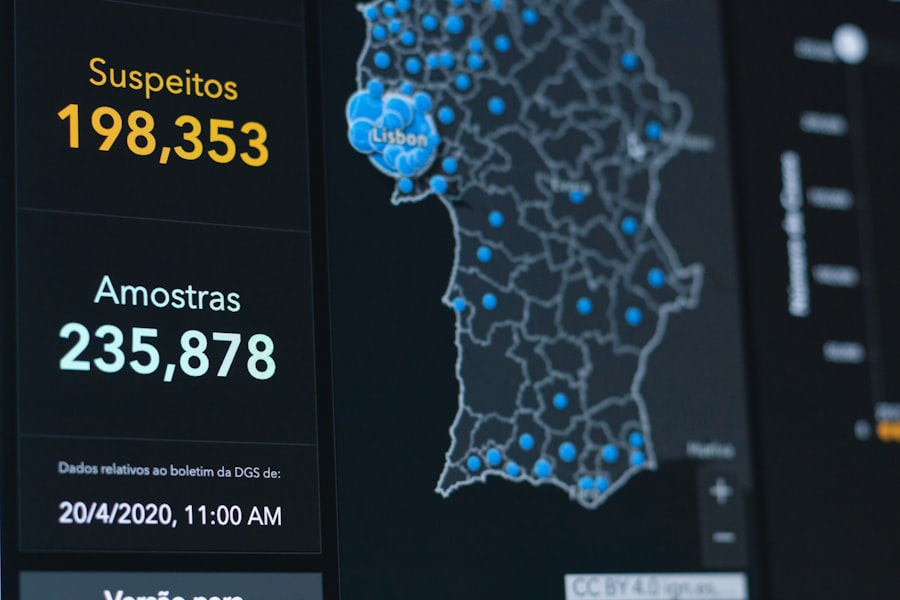
Real-time crime mapping is another groundbreaking application of AI in law enforcement. By integrating data from various sources—such as police reports, emergency calls, and surveillance footage—AI systems can create dynamic maps that visualize crime trends as they unfold. This real-time capability allows police departments to respond swiftly to emerging situations, enhancing their ability to prevent crimes before they occur.
These interactive maps not only provide law enforcement with critical situational awareness but also empower citizens by making crime data accessible to the public. Many cities have adopted platforms that allow residents to view crime statistics in their neighborhoods, fostering transparency and encouraging community involvement in safety initiatives. As citizens become more informed about local crime trends, they can take proactive measures to protect themselves and their property, ultimately contributing to a safer environment for all.
AI-based Predictive Policing
Predictive policing represents a paradigm shift in how law enforcement agencies approach crime prevention.
This predictive capability enables police departments to allocate resources more efficiently, focusing their efforts on high-risk areas and times when criminal activity is most likely to spike.
However, the implementation of predictive policing is not without its challenges. Critics argue that reliance on historical data may perpetuate existing biases within the criminal justice system. If certain communities have been over-policed in the past, the data may suggest that they are inherently more prone to crime, leading to a cycle of increased surveillance and enforcement.
Therefore, it is crucial for law enforcement agencies to approach predictive policing with caution, ensuring that they use AI as a tool for enhancement rather than a crutch that reinforces systemic inequalities.
Preventive Measures against Crime
AI-based crime prediction systems not only assist in identifying potential criminal activities but also play a vital role in developing preventive measures. By analyzing data on previous incidents, AI can help law enforcement agencies devise strategies tailored to specific communities or situations. For example, if a particular area experiences a spike in burglaries during certain months or events, police can implement targeted outreach programs or increase patrols during those times.
Additionally, AI can facilitate collaboration between law enforcement and community organizations focused on crime prevention. By sharing insights derived from data analysis, police departments can work alongside local groups to address underlying issues such as poverty, lack of education, or inadequate access to social services. This collaborative approach not only enhances public safety but also fosters a sense of community ownership over crime prevention efforts.
Ethical Considerations in AI-based Crime Prediction

As with any technology that intersects with public safety and civil liberties, ethical considerations surrounding AI-based crime prediction are paramount. One of the primary concerns is the potential for bias in the algorithms used for predictive policing. If the data fed into these systems reflects historical injustices or systemic inequalities, the predictions generated may disproportionately target marginalized communities.
This raises questions about fairness and accountability in law enforcement practices. Moreover, there is an ongoing debate about privacy rights in the context of AI surveillance technologies. The use of facial recognition software and other monitoring tools can infringe upon individuals’ rights to privacy and freedom from unwarranted scrutiny.
Striking a balance between effective policing and respecting civil liberties is essential for maintaining public trust in law enforcement agencies. Policymakers must establish clear guidelines and oversight mechanisms to ensure that AI technologies are used responsibly and ethically.
Case Studies of Successful Implementation
Several cities around the world have successfully implemented AI-based crime prediction systems with promising results. For instance, Los Angeles has utilized predictive policing software known as PredPol, which analyzes historical crime data to forecast where crimes are likely to occur. The city reported a reduction in property crimes as officers were able to focus their efforts on high-risk areas identified by the algorithm.
Similarly, Chicago has adopted an AI-driven approach called the Strategic Subject List (SSL), which ranks individuals based on their likelihood of being involved in gun violence—either as perpetrators or victims. While this initiative has faced criticism regarding its potential for bias, it has also led to targeted interventions aimed at preventing violence before it occurs. These case studies illustrate the potential benefits of AI-based crime prediction when implemented thoughtfully and transparently.
However, they also highlight the importance of ongoing evaluation and adaptation to ensure that these systems serve the best interests of all community members.
Future of AI-based Crime Prediction
Looking ahead, the future of AI-based crime prediction holds immense promise as technology continues to evolve. Advances in machine learning algorithms will likely enhance the accuracy of predictions while minimizing biases inherent in historical data. Furthermore, as more cities adopt smart technologies and IoT devices, the volume of data available for analysis will expand exponentially, providing law enforcement with richer insights into crime patterns.
However, the future also necessitates a commitment to ethical considerations and community engagement. Policymakers must prioritize transparency in how AI systems are developed and deployed while actively involving community stakeholders in discussions about their use. By fostering an environment of collaboration between law enforcement agencies and the communities they serve, we can harness the power of AI not only to predict crime but also to build safer, more equitable societies.
In conclusion, AI-based crime prediction represents a transformative shift in how law enforcement approaches public safety. By leveraging advanced analytics and real-time data visualization, police departments can enhance their operational efficiency while fostering community trust. As we navigate the complexities of this technology’s implementation, it is crucial to remain vigilant about ethical considerations and ensure that these systems serve as tools for justice rather than instruments of oppression.
The future holds great potential for AI in crime prediction—if approached thoughtfully and responsibly, it could pave the way for safer communities worldwide.
In the realm of AI-based crime prediction, the integration of geographic and social behavior analysis plays a crucial role in enhancing location-based police deployment and real-time crime mapping. This approach not only aids in the efficient allocation of resources but also in implementing preventive measures against crime. A related article that explores the intersection of technology and societal applications is titled “










Leave a Reply